Tuesdays of Texture – Week 21

…..thanks to Narami for hosting Tuesdays of Texture

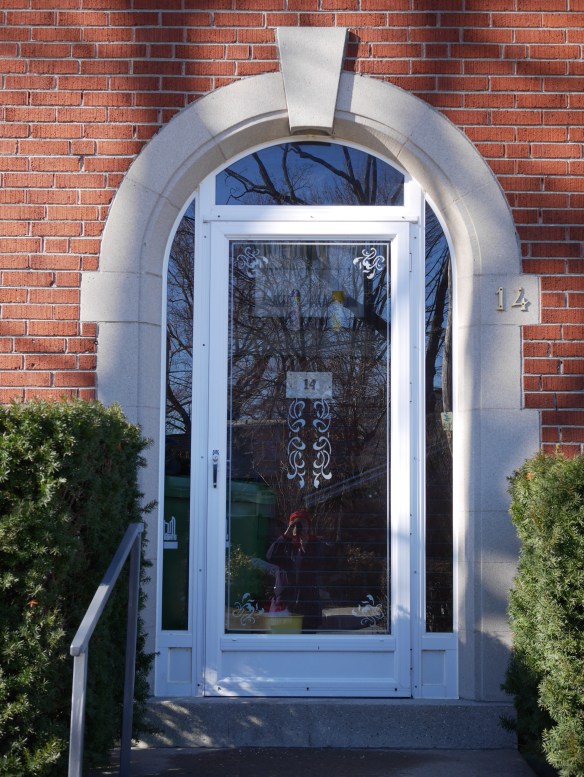
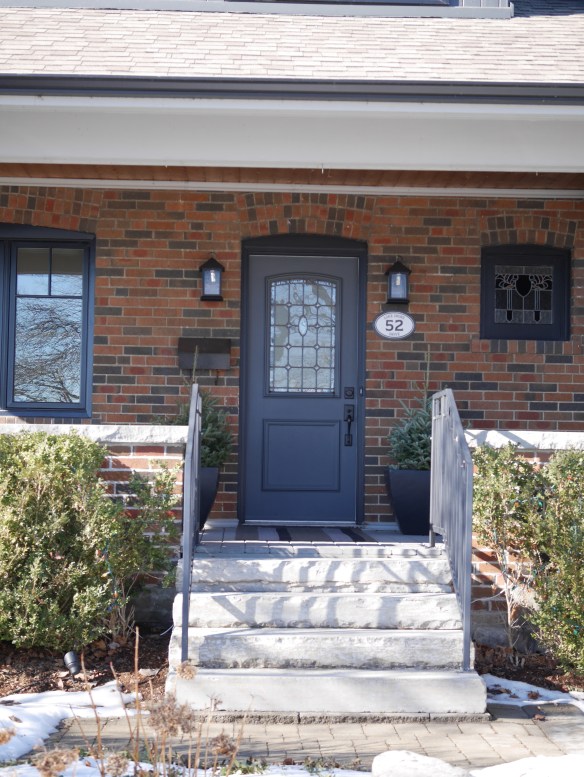
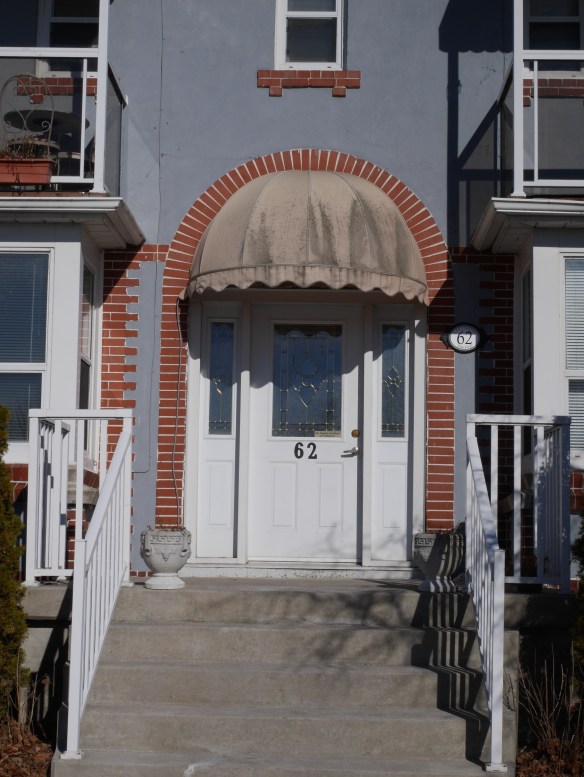
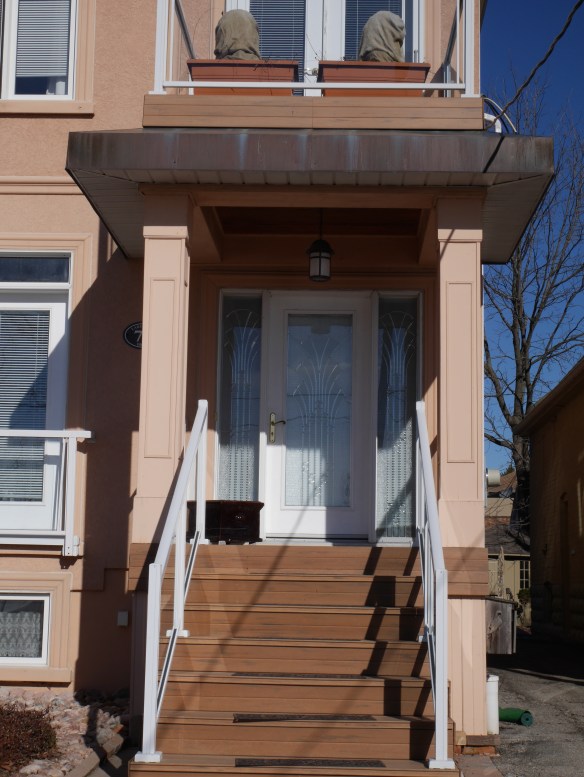
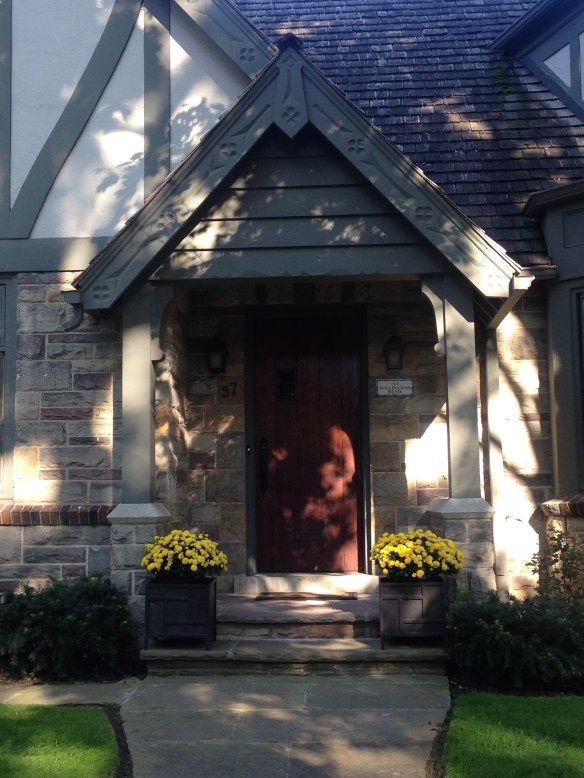
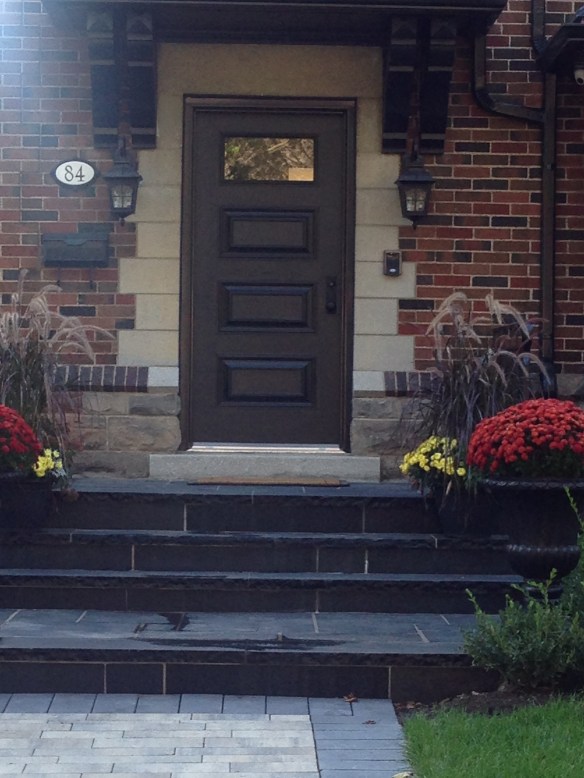
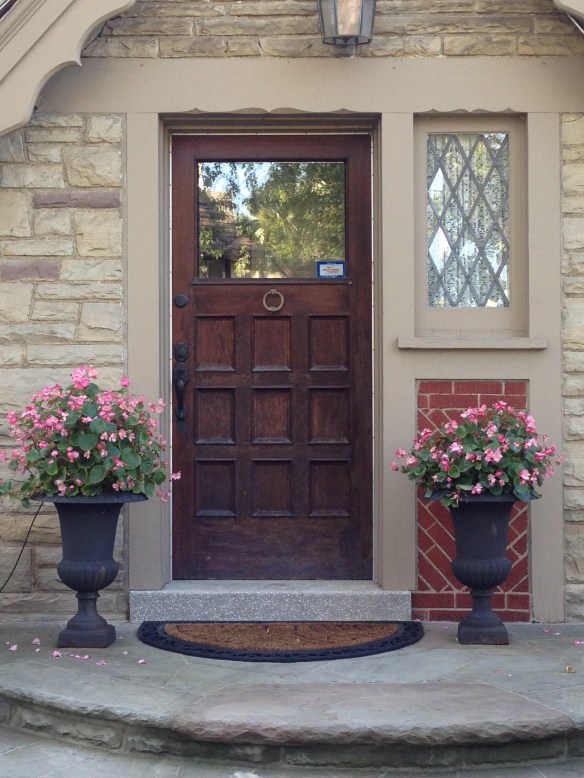
Today’s video for Carla Sonheim’s on line class, 365- A Year Long Class,  featured a photographer who photographs bricks in Chicago. I immediately went out after dinner and photographed the brick in my neighbourhood.

IMG_1999

Cee’s Black & White Photo Challenge – Letters M or N

…..this week’s black and white photo challenge is to find subjects that start with the letters M or N

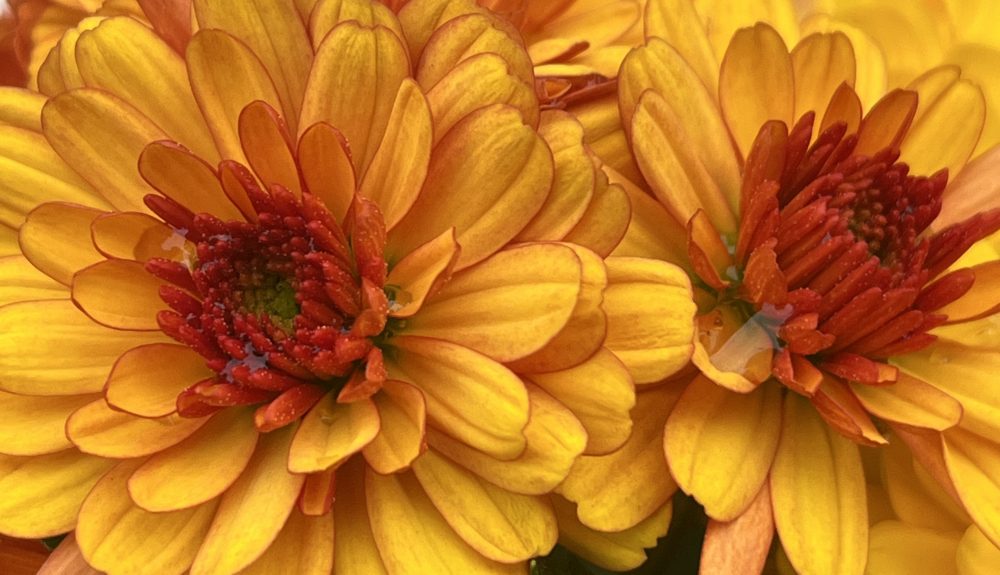
In this post all my selections start with the letter M: mitten, monument, meats and mums

P1020493P1020538P1020617IMG_1633

The Town of Assisi, Italy

….despite being occupied with the wedding we did manage to hire a taxi to take us into the town of Assisi for a few hours

On the day our train arrived in Assisi we were scooped up by family and friends who were already there and we quickly drove through the town and up into the hills to get to the ‘farm’ where we were staying and where the wedding was being held. We got a glimpse of the narrow cobblestone roads and the facade of the Basilica of St. Francis and I knew that we needed to find a window of time to return to the town.

That evening we hired a taxi to take us back into the town, where we enjoyed a wonderful dinner with our newly acquired family from Iran and Germany. It was a beautiful evening and dinner was served outside on the brick patio. The meal took several hours so there was no time to walk around. Besides we had a big day ahead and we needed to get our beauty sleep. Little did I know how important that was going to be. The next day was long and sleep was next to impossible.

On our last day, after the wedding, we woke up to pouring rain. It was a welcome relief from the heat we had been experiencing on this trip. It did, however, put a bit of a damper on the brunch that the newly married couple had planned. Instead of all of us gathering outside in one location we held a couple of brunches inside a two of the cottages. More food. After the wedding I couldn’t even imagine that people would have room for more copious amounts of food. Somehow we managed to indulge in fresh fruit, home baked breads and cakes and platters of cheese and meat.

Later in the day the rain stopped and we hired another taxi and made our way back into Assisi. We stopped in front of Basilica di Santa Chiara. It is dedicated to and contains the remains of Saint Clare of Assisi, a follower of Saint Francis of Assisi and founder of the Order of Poor Ladies, known today as the Order of Saint Clare.

After a quick look inside the basilica we headed out on foot, over the cobblestones, on our mission to find the Basilica of Saint Francis of Assisi. Around every corner we found magnificent views of the countryside and quaint shops. bistros and town squares.


Eventually we came upon the basilica. The entrance was patrolled by armed guards and our bags were checked before we were allowed to enter. It is built into the side of a hill and is comprised of two churches known as the Upper Church and the Lower Church, and a crypt where the remains of Saint Francis of Assisi are interred. Unfortunately we were not allowed to take photographs inside the church itself but the courtyard and the grounds and the building itself are beautiful.

In my next post I will finally share the photos of the wedding and discuss the symbolism of a Persian ceremony. Till then, ciao!
 

Rome’s Top Ten – Part 2

…..trying to cram all three days into one post proved too much

Vatican City

I won’t spend too much time here since I’ve already written about my experiences at Vatican City here. Next time I need to make time to see the Vatican Museum and the Sistine Chapel.

img_9660

Piazza Navona

Piazza Navona is one of the most popular public squares in Rome. It is built on the site of an ancient Roman stadium, Circus Agonalis, that could hold 20 000 spectators. Today it is best known for the three beautiful fountains that are situated along the centre of the Piazza. The fountains were designed and sculpted by Bernini and Giacomo della Porta.

Castel Sant’Angelo

Castel Sant’Angelo is a towering cylindrical building that was initially commissioned by the Roman Emperor Hadrian as a mausoleum for himself and his family. The building was later used by the popes as a fortress and castle, and is now a museum. The Castle was once the tallest building in Rome.

Over the years the popes converted the structure into a castle, beginning in the 14th century; Pope Nicholas III connected the castle to St Peter’s Basilica by a covered fortified corridor called the Passetto di Borgo. The Papal state also used Sant’Angelo as a prison.

In the next few days I’ll write about Trastevere, the Roman Forum and the National Monument of Victor Emmanuel II. Till then, Ciao!

Rome’s Top Ten-Part 1

…..seeing Rome’s Top Ten in three days is not impossible

When we planned to stay in Rome for the final three days of our trip to Italy I never imagined that we would be able to see so many of the famous sites of this ancient city. To be honest some of the sites were under construction so we only did a quick pass and for others we only saw the exterior.

My top ten sites included:

The Colosseum

It was a very hot day when we finally walked to the Colosseum. We were accosted by dozens of vendors selling selfie sticks and tours. My husband and daughter took refuge in a caffe next to the Colosseum and enjoyed a cool drink while the rest of us including the baby took a closer look at the exterior of this ancient structure. Unfortunately we didn’t see the interior, partially because the heat was too much for the baby.

The Pantheon

We arrived early and there was a mass going on so we had to wait to get in to see the Pantheon. We wandered off to get a coffee in a nearby bistro but when we returned there was a line-up to get in. My husband hates line-ups so he passed on seeing the inside of the Pantheon. Luckily the line went pretty quickly and there was some very high quality entertainment on the street in the way of musicians.

Trevi Fountain

The Trevi Fountain was a bit of a surprise for me. It’s a very large fountain but it’s crammed into a very small space and the crowds were huge. It’s almost impossible to get a camera shot that takes in the entire fountain. You just can’t stand far enough away. I would love to see the fountain at night when it’s all lit up.

The Spanish Steps

The Spanish Steps was the one attraction that we didn’t spend much time at because it was under construction. I understand that it is now restored and open again for the public to walk on.

img_9592

In my next post I will share more photos of the following attractions in Rome:

Vatican City

Piazza Navona

Castel Sant’Angelo

Trastevere

Roman Forum

The National Monument of Victor Emmanuel II

*******************************************************************

Till next time.

Ciao!


Culture Days – Sept. 30, Oct. 1-2

…..last Saturday I attended a ‘culture days’ event at Humber College

Culture Days was founded in 2009 and raises the awareness and  participation of Canadians in the arts and cultural life of their communities. Hundreds of thousands of artists, cultural workers, organizations and groups, volunteers and supporters host free  public activities that take place in hundreds of cities and towns throughout the country over the last weekend of September each year.

Culture Days offers a wonderful opportunity for Canadians across the country to explore and participate in the cultural communities that exist in their neighbourhoods that they may have not even be aware of before.

The event that I was most excited about was the Tunnel Tour. Humber College by the Lakeshore took over the old psychiatric hospital which closed in 1979 and restored the original facades of all the the cottages and main buildings. The buildings were connected by an underground tunnel that were used to transport food and laundry to the patients. The tunnel itself was dug by the patients and a cross section cut out of the wall shows the primitive technique used to cement together the pieces of slate that were probably found on the property.

The tunnel is still used today to house gas, water and sewer pipes and to transport supplies from one cottage to another. Part of the tour included talking about the history of the psychiatric hospital and how the different cottages were used. Cottage D housed the detox patients and K cottage was home for the children who lived at the hospital. That was the saddest part of the tour. Apparently when children suffered from epilepsy and/or ADHA they were admitted to the hospital where they spent the rest of their lives. Nurses used to walk up and down Lakeshore Blvd. looking for children that had been deserted by their parents because they thought their seizures were signs of being possessed.

I also learned that a ghost lives in cottage G. She’s been seen by the care taking staff and security. Apparently she’s friendly and is a former nurse who worked at the hospital. Cottage G is the last cottage to be renovated. Our guide kindly took us inside. It certainly didn’t look haunted.

After the tour I took a walk over to the Assembly Hall and watched the dancers in the Pow Wow.

Later in the afternoon I took part in an art workshop. We were a very small group. First we took a walk through the grounds towards the lake and picked up natural materials off the ground. When we returned to the classroom we were presented with old nature books that were being discarded and numerous art supplies to create our nature inspired piece of art. It was very relaxing and I walked away with two samples that I can use in future art classes at school.