A Persian Wedding in Assisi

….the highlight of our trip to Italy was our son’s wedding to his beautiful Iranian bride

Talk about a destination wedding. What do you do when half your family lives in Canada and the other half in Germany and Iran and your friends come from all over (Canada, England, the Netherlands, Italy, Germany, etc.)? You find a location that everyone is happy to travel to and won’t break the bank.

That perfect place was at Casa Rosa near Assisi. Az and B already had a connection to the place through a friend whose family owned the ‘farm’. It is actually located in the hills of Umbria about 10 kilometres away from downtown Assisi.

On the day of the wedding the family was very busy getting the spread called the “Sofreh-ye Aghd”ready for the ceremony. Traditionally the Sofreh-ye Aghd is set on the floor facing east, so when the bride and bridegroom are seated at the head of the Sofreh-ye Aghd they will be facing “The Light”.

On the cloth, the two most important elements are the mirror and the two candelabras on either side of the mirror. They represent the bride and groom and the brightness in their future. All the different foods on the cloth are symbolic. For example, the tray of seven multi-colored herbs and spices “Sini-ye Aatel-O-Baatel” guard the couple and their lives together against the evil eye, witchcraft and drive away evil spirits. The eggs and decorated almonds, walnuts and hazelnuts in the shell symbolize fertility. A bowl made out of crystallized sugar “Kaas-e Nabaat/Shaakh-e Nabaat” sweetens the life of the newly weds and a bowl of gold coins or money represents wealth and prosperity. its-all-symbols_27904572193_o
At the beginning of the ceremony the bride is hidden from the groom. In our case a group of women, friends and family, stood in front of Az while B (our son) sat on a bench in front of the Sofreh-ye Aghd facing the mirror. He lit the candelabras and was asked if he consents to marry the bride. In a loud voice he answered with a rousing yes. When the bride enters she sits on the groom’s left side and the wedding party holds a canopy over the couple’s heads.

This is where the fun begins. Az’s uncle was the officiant and when he asked her if she consented to marrying B her role is to make the guests and the groom uncomfortable by not answering the first time. Some of her friends then call out that she’s doing the laundry as an excuse. The same thing happens the second time she is asked. The officient asks a third time, and this time, the bride says ‘with the permission of my father and mother- balé!’ And everyone starts kelling (the loud lee-lee-lee-lee sounds all middle easterners make) and clapping in joy.

Az’s uncle did a great job explaining all the rituals and symbolism of this ceremony. One other interesting symbol is the needle and the seven coloured threads used to hold up the canopy or shawl above the couple. Figuratively it represents sewing up the mother-in-law’s lips to keep her from speaking unpleasant words to the bride! As you can imagine I got quite a bit of ribbing about that one.

After the bride and groom have consented to marrying each other, the groom picks up a jar of honey (asal) from the table. He dips his little finger into the jar of honey, and feeds it to his bride. She then does the same for him. This is to symbolize that they will feed each other sweetness and sustenance throughout their lives together.

In this ceremony Az took her shoe at the end and snuffed out all the candles. I can’t remember what that symbolized and I can’t find anything on line to explain it. Maybe some of my Persian readers could bring me up to date on this tradition.

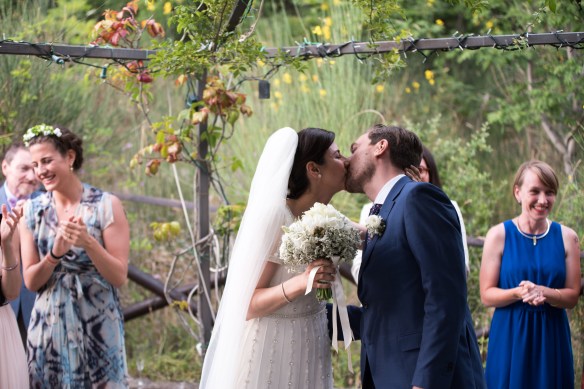
As in western cultures the ceremony ended with the groom kissing his bride.
dsc_4557

After congratulations were bestowed upon the newly married couple the guests and the wedding party made their way to grounds where tables of food and drink were set and photographers were busy snapping hundreds of photos.

The food at this wedding was amazing. Our son kept telling us to leave some room for dinner. The first round of food immediately following the ceremony were just appetizers and cocktails. I can’t even begin to explain or describe how much food there was and everything was so delicious. When dinner was served there were five more courses and dessert was served later. I never made it to dessert. In fact I never made it to the party. After dinner I was done and went to bed. In hind sight it was a dumb thing to do because I couldn’t sleep anyway. Between not feeling well from too much rich food and the noise from the party afterwards, sleep was impossible. The party went till 4:00 in the morning. Somehow I managed to fall asleep around 3:00. All in all it was a great day, one that I will never forget.

Travel Theme – Snowy

….thanks to Ailsa for this week’s travel theme

The beautiful and unusually balmy days of November appear to be behind us. With the forecast of cold and possibly snowy days in the coming week, especially further north, I decided I couldn’t put off installing snow tires on my new car any longer.

On Friday morning I woke up at 5:30 so that I could get to tire department at Costco by 6:30. The evening before the nice man at the counter after giving me a couple of quotes for snow tires strongly suggested that I arrive no later than 6:30 even though the place didn’t open until 7:00. I walked through the doors at 6:35 and found myself 14th in line. When the gate was finally lifted, promptly at 7:00 the second man in front of me was informed that he was the last person to be guaranteed getting his car back by noon. The rest of us might have to wait till 8:30 in the evening before we could pick up our cars.

Feeling that I didn’t have much choice in the matter I decided to leave it and I walked to work. Luckily it was a PA day and I didn’t have any classes to teach. It took me about   two hours to get to school but I did stop for a coffee and bite of breakfast at a Tim Horton’s. Later in the day a friend drove me home and I no sooner stepped in the door when the phone rang and I was told that my car was ready. The same friend drove me back to Costco. I am now ready for those ‘snowy’ days ahead.

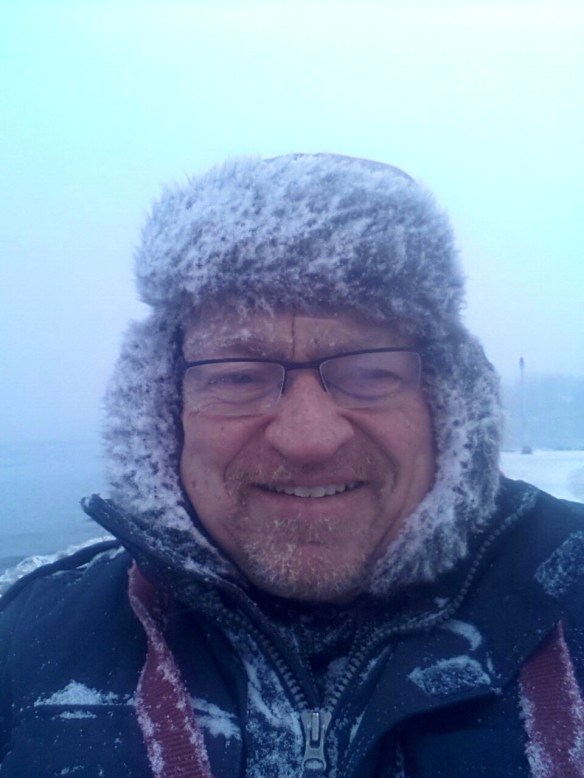
I know you’re thinking that this is a pretty cheesy way of getting to the theme of snowy but I do have some photos that are snowy white to share with you. Seeing that we haven’t experienced any snow yet I’ve gone into the archives to find some appropriate ‘snowy’ shots.

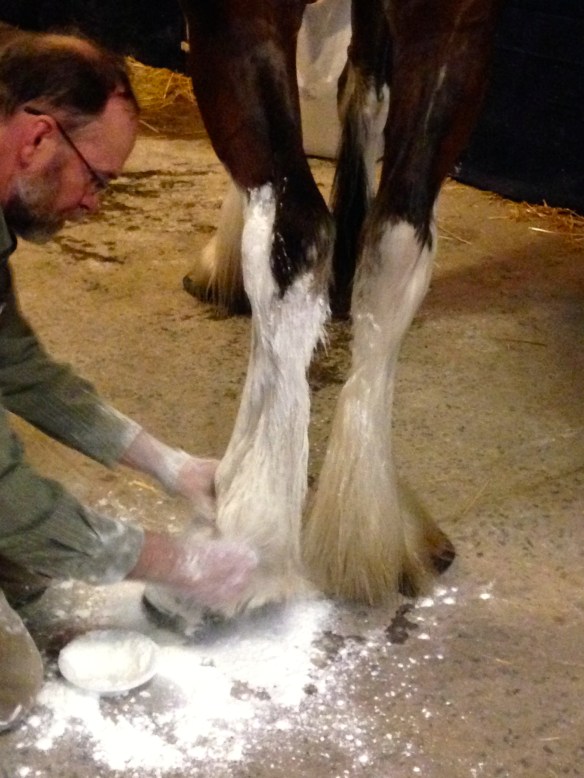
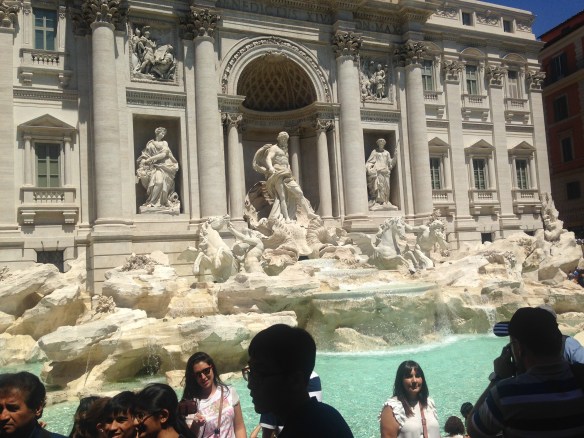
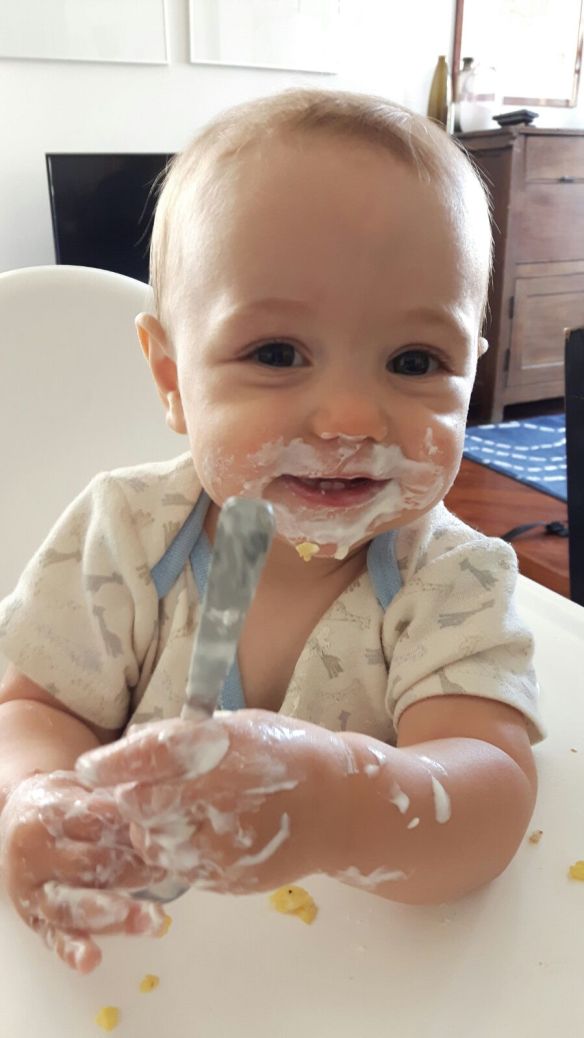
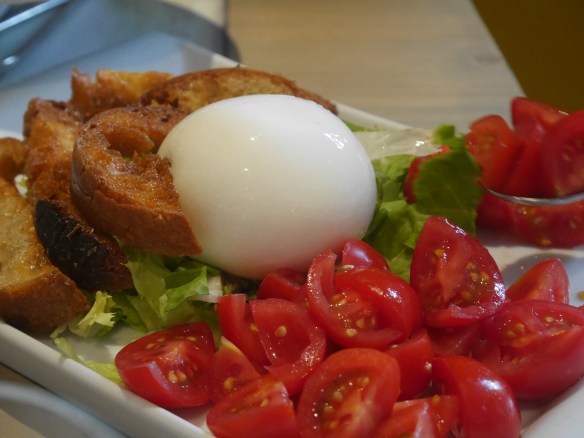
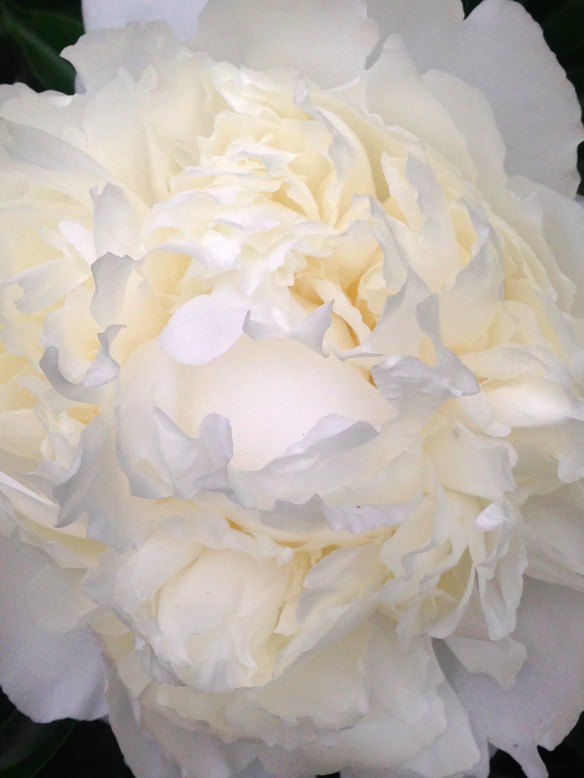
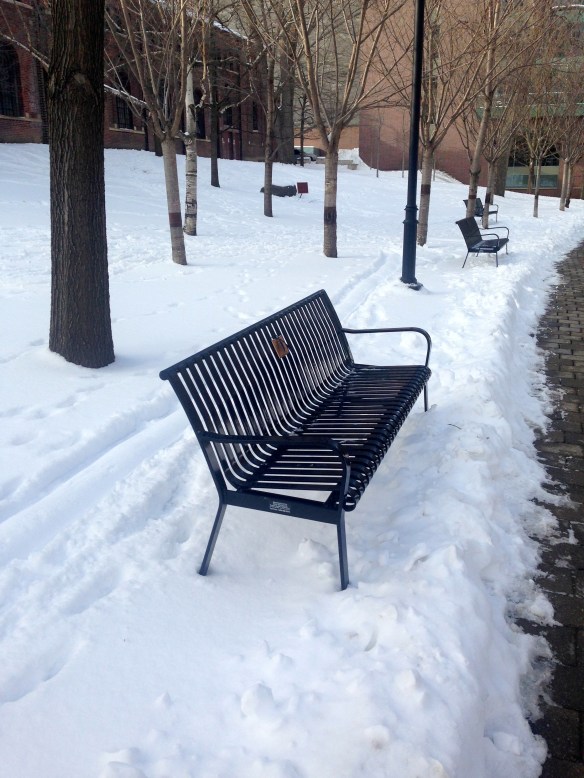
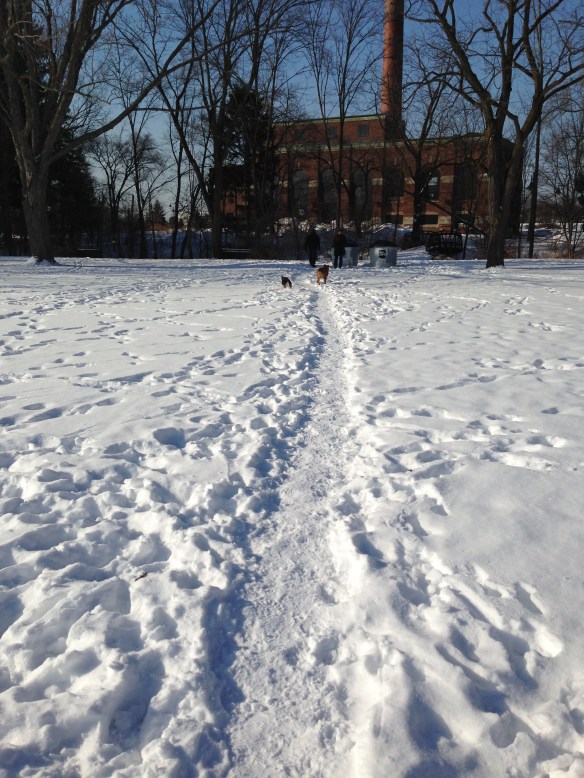
The photos include whitening the feathering on a Clydesdales feet with chalk, the snowy white marble of the Trevi Fountain, my granddaughter’s snowy white yogurt face, a lovely creamy white ball of buratta cheese, a snowy white peony from my garden and snowy days from last winter.

img_0454img_9585IMG_9487P1010150IMG_8654IMG_7663IMG_7336IMG_0556

Are you ready for the onslaught of snowy days? It’s coming!

Cheers!


The Town of Assisi, Italy

….despite being occupied with the wedding we did manage to hire a taxi to take us into the town of Assisi for a few hours

On the day our train arrived in Assisi we were scooped up by family and friends who were already there and we quickly drove through the town and up into the hills to get to the ‘farm’ where we were staying and where the wedding was being held. We got a glimpse of the narrow cobblestone roads and the facade of the Basilica of St. Francis and I knew that we needed to find a window of time to return to the town.

That evening we hired a taxi to take us back into the town, where we enjoyed a wonderful dinner with our newly acquired family from Iran and Germany. It was a beautiful evening and dinner was served outside on the brick patio. The meal took several hours so there was no time to walk around. Besides we had a big day ahead and we needed to get our beauty sleep. Little did I know how important that was going to be. The next day was long and sleep was next to impossible.

On our last day, after the wedding, we woke up to pouring rain. It was a welcome relief from the heat we had been experiencing on this trip. It did, however, put a bit of a damper on the brunch that the newly married couple had planned. Instead of all of us gathering outside in one location we held a couple of brunches inside a two of the cottages. More food. After the wedding I couldn’t even imagine that people would have room for more copious amounts of food. Somehow we managed to indulge in fresh fruit, home baked breads and cakes and platters of cheese and meat.

Later in the day the rain stopped and we hired another taxi and made our way back into Assisi. We stopped in front of Basilica di Santa Chiara. It is dedicated to and contains the remains of Saint Clare of Assisi, a follower of Saint Francis of Assisi and founder of the Order of Poor Ladies, known today as the Order of Saint Clare.

After a quick look inside the basilica we headed out on foot, over the cobblestones, on our mission to find the Basilica of Saint Francis of Assisi. Around every corner we found magnificent views of the countryside and quaint shops. bistros and town squares.


Eventually we came upon the basilica. The entrance was patrolled by armed guards and our bags were checked before we were allowed to enter. It is built into the side of a hill and is comprised of two churches known as the Upper Church and the Lower Church, and a crypt where the remains of Saint Francis of Assisi are interred. Unfortunately we were not allowed to take photographs inside the church itself but the courtyard and the grounds and the building itself are beautiful.

In my next post I will finally share the photos of the wedding and discuss the symbolism of a Persian ceremony. Till then, ciao!


Travel Theme: Hills

….thanks to Where’s My Backpack for this week’s travel theme

From the hills that surround Florence to the hillside town of Assisi we were either looking up at the hills or we were on the hill looking down and across at more hills. Italy has an abundance of hills.

In the Hills of Assisi

….my favourite part of my trip to Italy took place in Assisi

Part 1

I’ve saved the best part of my trip for last. As some of you know my son was married this summer. The family part of the wedding took place in the hills of Assisi. In June, B and A were officially married in the registrars office in London, England and the guests that  attended were mostly friends and work colleagues who lived in England.

In July friends from Canada, England, Germany, the Netherlands and Italy and family from Canada, Germany and Iran came together to celebrate the union of our son and his beautiful bride in a traditional Persian ceremony.

The family stayed in a beautiful hillside resort, Casa Rosa, above the town of Assisi. Originally all the cottages had been farm buildings. The cottage we stayed in was formerly the pig barn and then later the horse stables. The view from our patio was breath taking and the property was surrounded by olive groves, lavender, fruit trees and rosemary.

Our accommodations were very comfortable and you would never have known that some of the cottages previously housed farm animals. We were warned to watch out for scorpions, yellow spiders and asps but we didn’t encounter any of these creatures. We kept looking over the hills in hopes of seeing some wild boars but we didn’t see any them either.

We took a walk along some of the trails that surrounded the farm. The trip out was pretty easy because it was mostly downhill but returning was a little more challenging. We passed numerous pieces of abandoned farm equipment along the way.

On our first evening in Assisi we took a taxi ride into the town of Assisi and had a wonderful meal on the patio of a local restaurant. It was our first real introduction to the family of the bride. We pretty much took over the restaurant for the evening. I tried to take photos of all the entrees that were placed before us but sometimes they were so mouth watering that half the plate was eaten before I remembered about taking photos. All in all it was a great evening and a good start to the wedding festivities that followed the next day.

More about the Persian ceremony in a few days.

Ciao!

Rome’s Top 10 – Part 3

….as promised here is my account of Trastevere, the Roman Forum and the National Monument of Victor Emmanuel II.

The Roman Forum

The Roman Forum is a rectangular plaza surrounded by the ruins of several important ancient government buildings at the center of the city of Rome. At the height of the Roman Empire the forum served as the venue for public speeches, criminal trials, and gladiatorial matches and the centre of commercial affairs.

After the fall of the Roman Empire the forum fell into disrepair and in the Middle Ages it was used as a cow pasture. During that time the buildings were plundered for their marble and stone. Excavation of the area began in the 18th and 19th centuries and continues today. It seems as though every time the city undergoes a new construction project it comes across a new archeological find and construction is halted while a new dig takes place. Today the ruins attract 4.5 million tourists a year.

National Monument of Victor Emmanuel II.

This national monument was one of the first impressive buildings that we saw as we were driving to our apartment in the outskirts of Rome. Our taxi driver described it as a war memorial but it was much more than that.  Il Vittoriano was built in 1925 to honor Italy’s first king, who is credited with creating a single Italian kingdom in 1861. It has come under much criticism for being too showy with its thick, gleaming white marble that stands 230 feet (70 meters) tall and is visible from several points across the city. Again we only saw this building from the outside but its immense size and opulent sculptures are a feast for the eyes.

The Trastevere

The Trastevere is a neighbourhood that literally translates to “across the Tiber,” and was once considered the outskirts of Rome. In the three days that we were in Rome we spent two evenings in this Bohemian gem. On our first night we enjoyed authentic Italian pizza in a popular, crowded restaurant close to the Piazza Santa Maria. The cobblestone streets are narrow and windy and one can easily get lost in this quaint medieval neighbourhood. I was glad that my girls had their GPS devises with them. On our way back to the apartment that evening we happened to come across a parade of local residents celebrating one of their Catholic saints.

On our last day in Rome, my son and I ended our whirlwind tour of Vatican city back in Trastevere. After walking over 23 000 steps I needed to take a break and we stopped at a small outdoor bistro where I enjoyed a glass of Proseco while my son walked to the tram to pick up his sister, her daughter and his father. There was no way that they would have found the location on their own. B’s wife joined us as well and we had a lovely final evening together on our last day in Italy.

There are many other wonderful sites to see in Rome. I have mentioned only a handful of interesting places to visit that I experienced first hand. Many of these places I would go back to and spend more time exploring the interiors. Do you have any favourite places to visit in Rome? I’d love to hear about them for my next adventure to to this great historic city.

Ciao!

Rome’s Top Ten – Part 2

…..trying to cram all three days into one post proved too much

Vatican City

I won’t spend too much time here since I’ve already written about my experiences at Vatican City here. Next time I need to make time to see the Vatican Museum and the Sistine Chapel.

img_9660

Piazza Navona

Piazza Navona is one of the most popular public squares in Rome. It is built on the site of an ancient Roman stadium, Circus Agonalis, that could hold 20 000 spectators. Today it is best known for the three beautiful fountains that are situated along the centre of the Piazza. The fountains were designed and sculpted by Bernini and Giacomo della Porta.

Castel Sant’Angelo

Castel Sant’Angelo is a towering cylindrical building that was initially commissioned by the Roman Emperor Hadrian as a mausoleum for himself and his family. The building was later used by the popes as a fortress and castle, and is now a museum. The Castle was once the tallest building in Rome.

Over the years the popes converted the structure into a castle, beginning in the 14th century; Pope Nicholas III connected the castle to St Peter’s Basilica by a covered fortified corridor called the Passetto di Borgo. The Papal state also used Sant’Angelo as a prison.

In the next few days I’ll write about Trastevere, the Roman Forum and the National Monument of Victor Emmanuel II. Till then, Ciao!