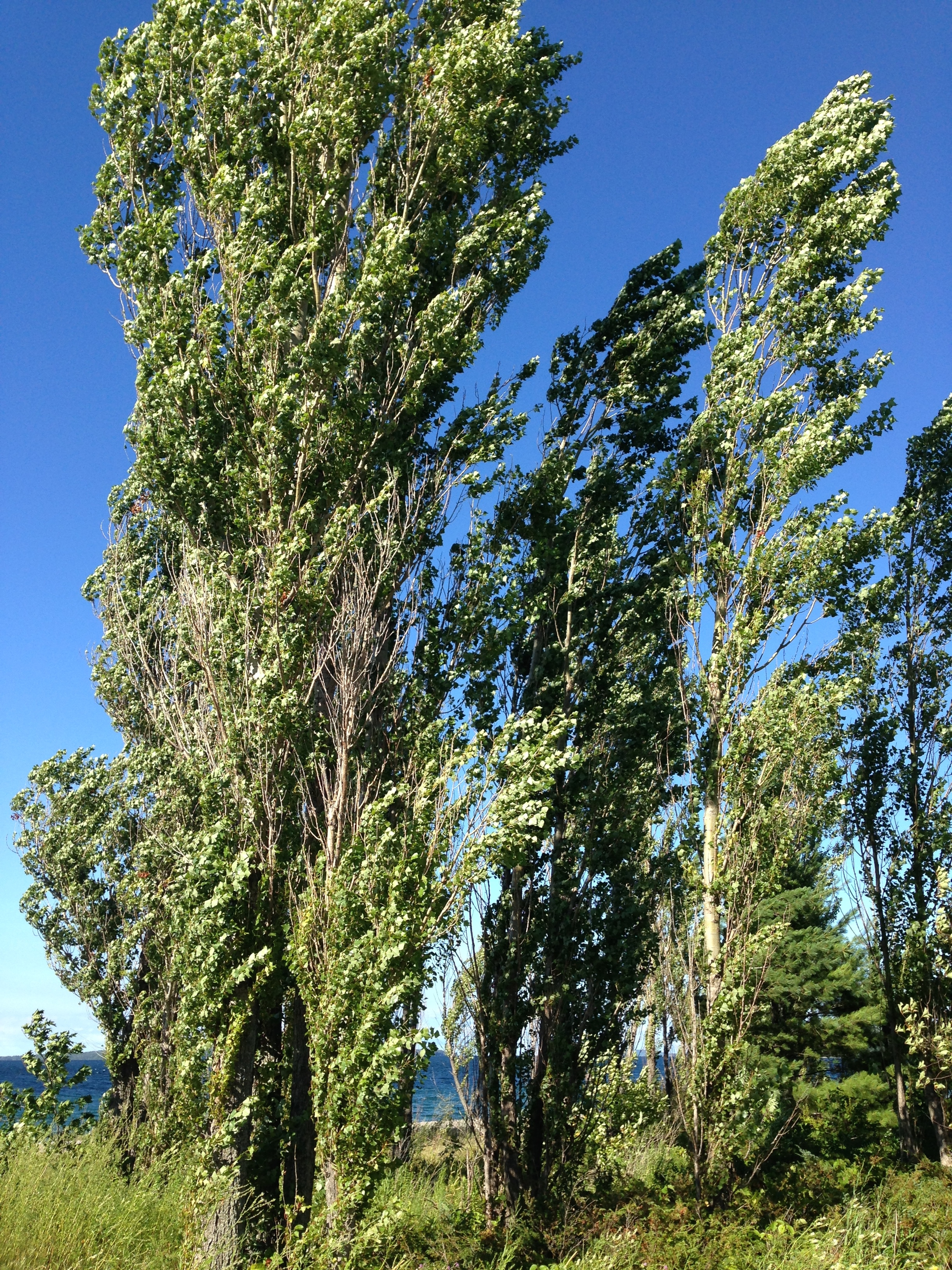
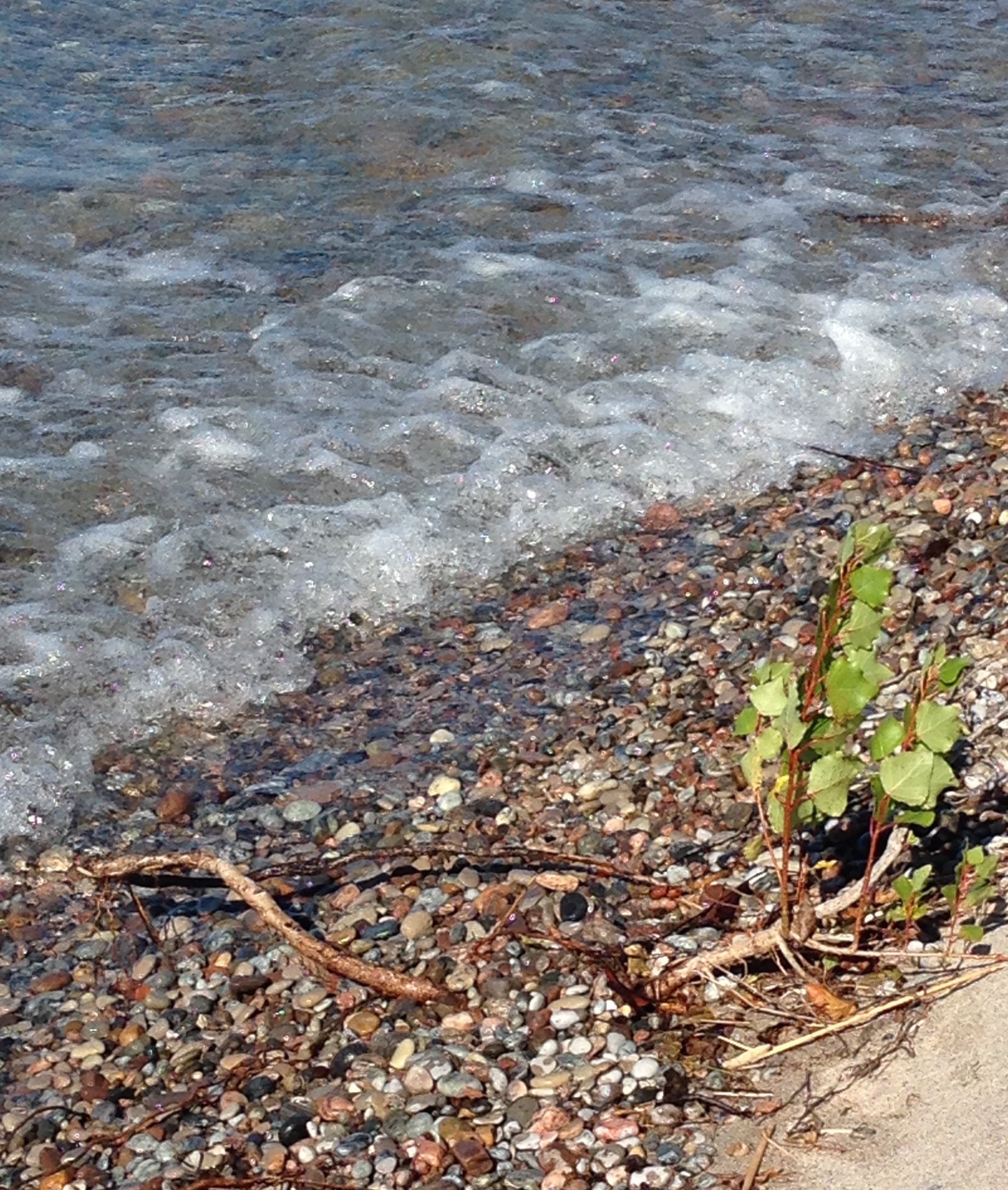
…..these poplars are springing up everywhere near the beaches
Thanks to Becca Givens for hosting this challenge.
…..these poplars are springing up everywhere near the beaches
Thanks to Becca Givens for hosting this challenge.
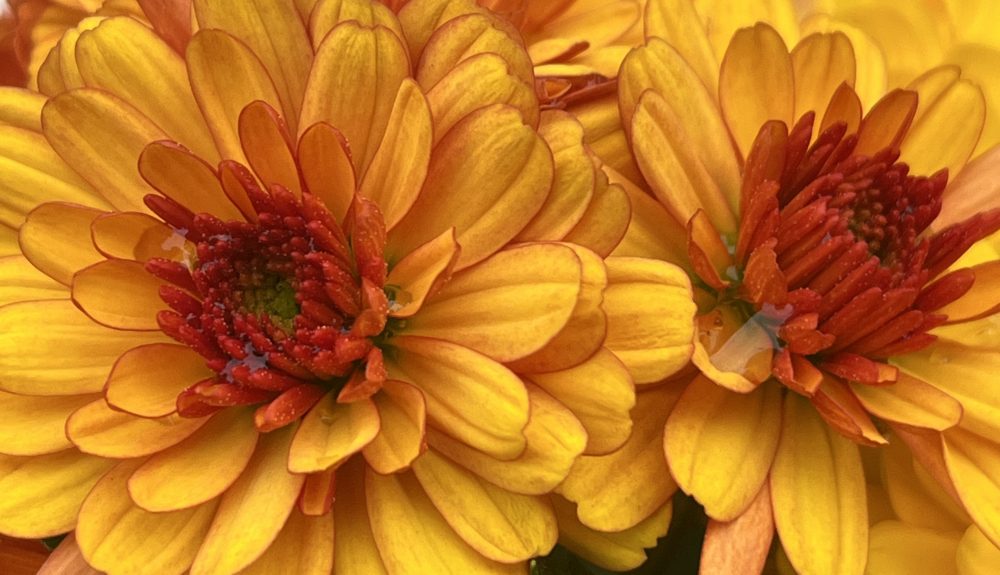
….my Rose of Sharon is bursting with these blooms

….this week’s Daily Post Photo Challenge
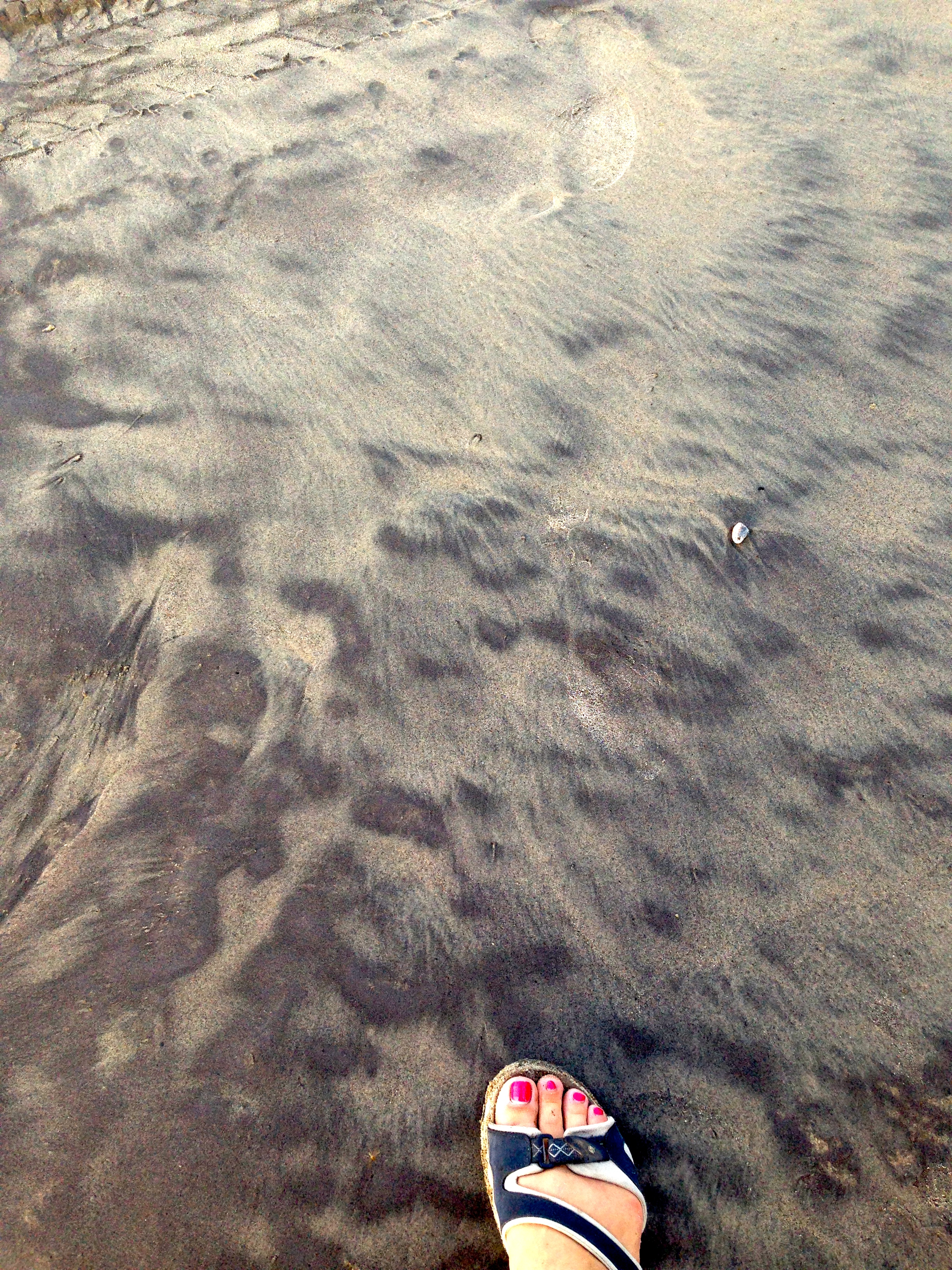
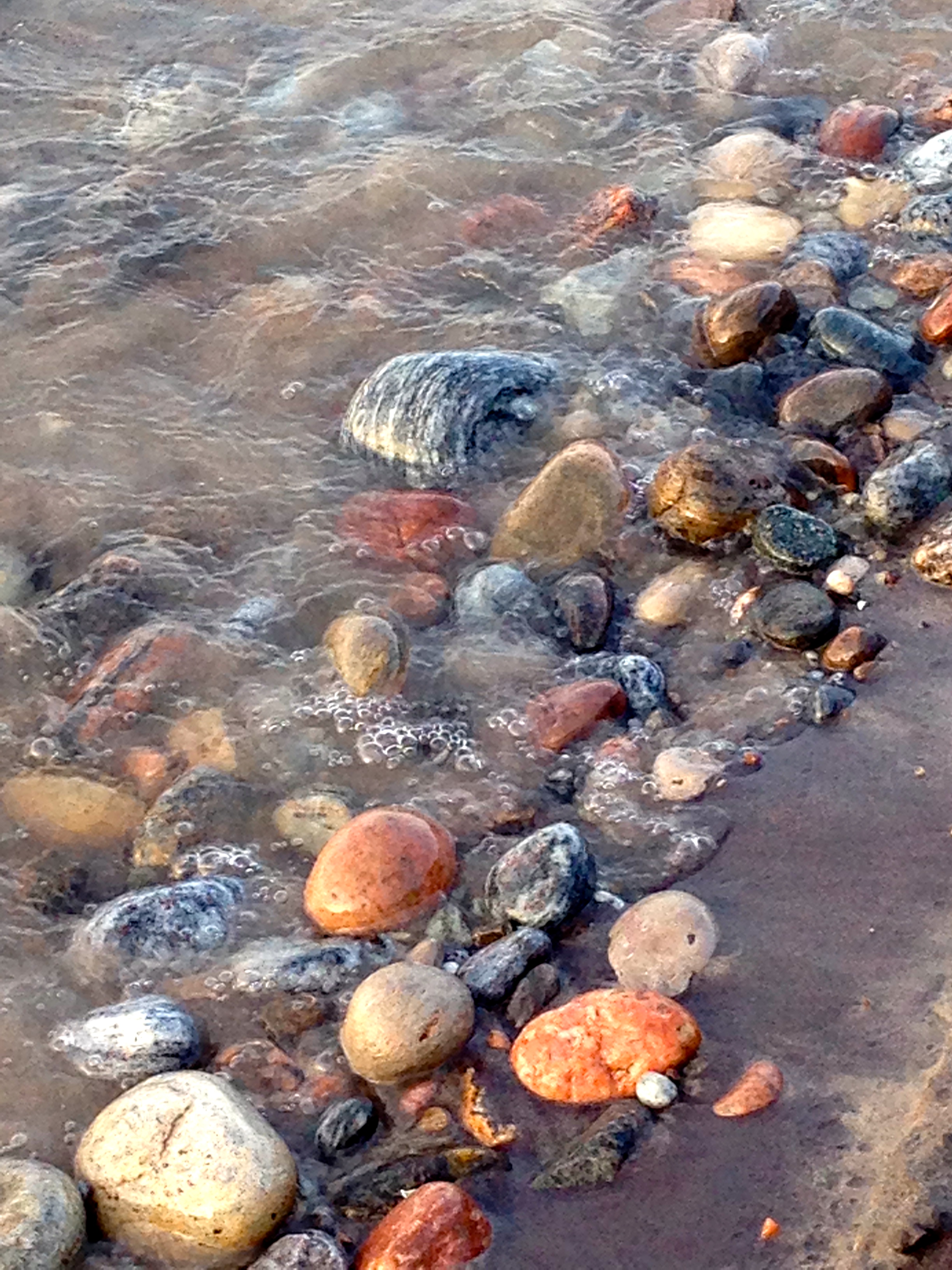
I love photographing the sandy beach, rocky shores and foliage beneath my feet at the cottage.

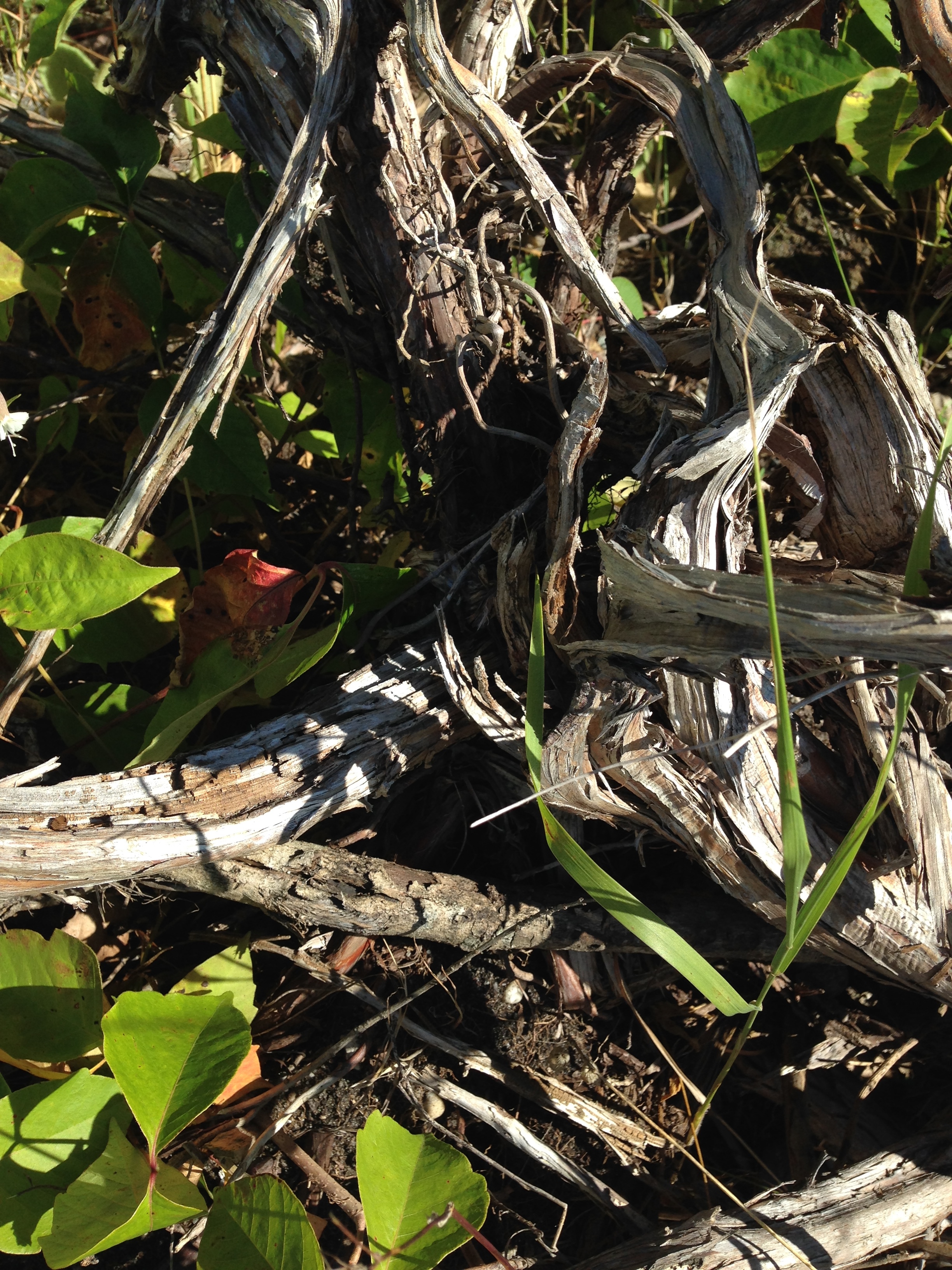
…..I’ve always been fascinated by this composite organism
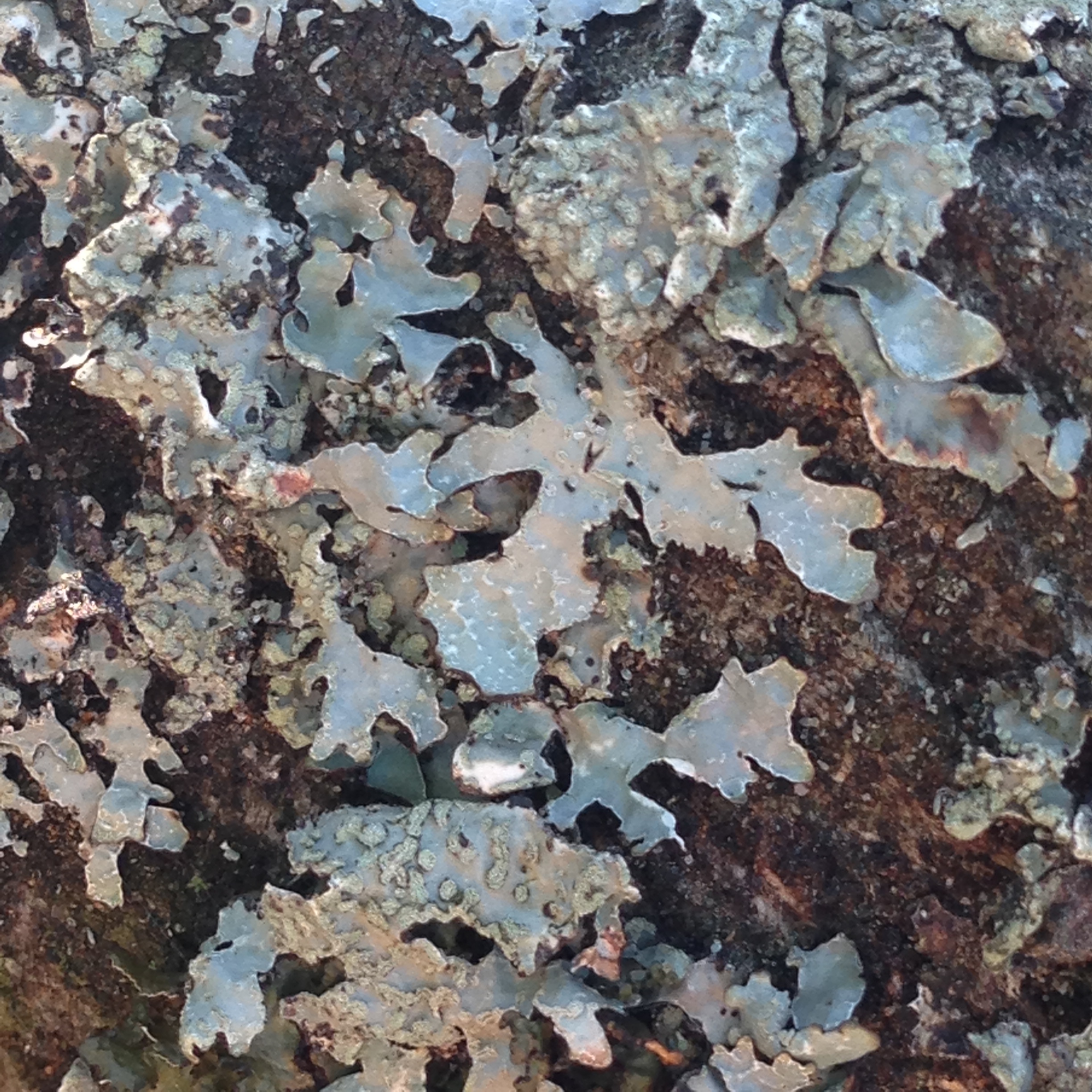
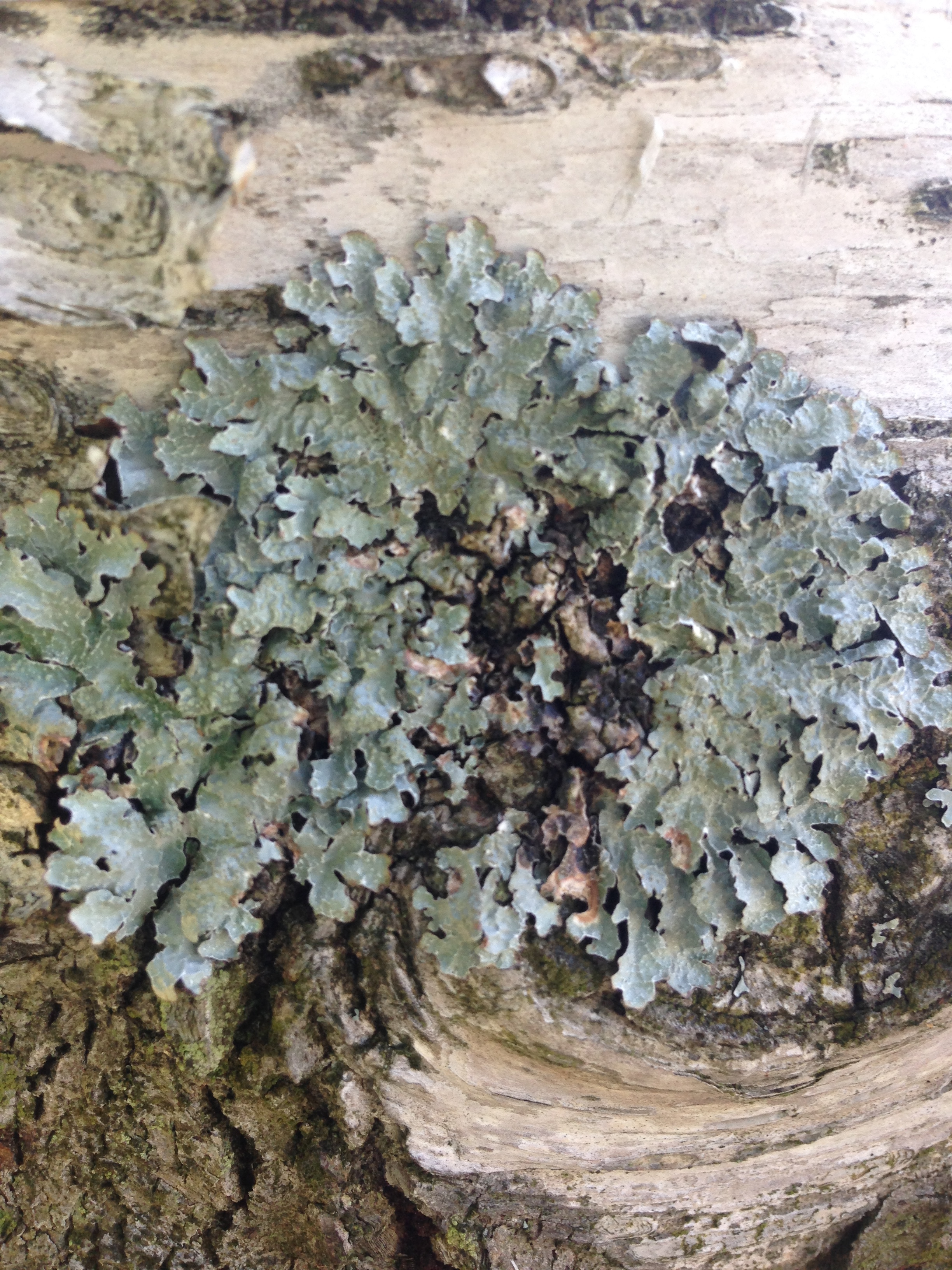
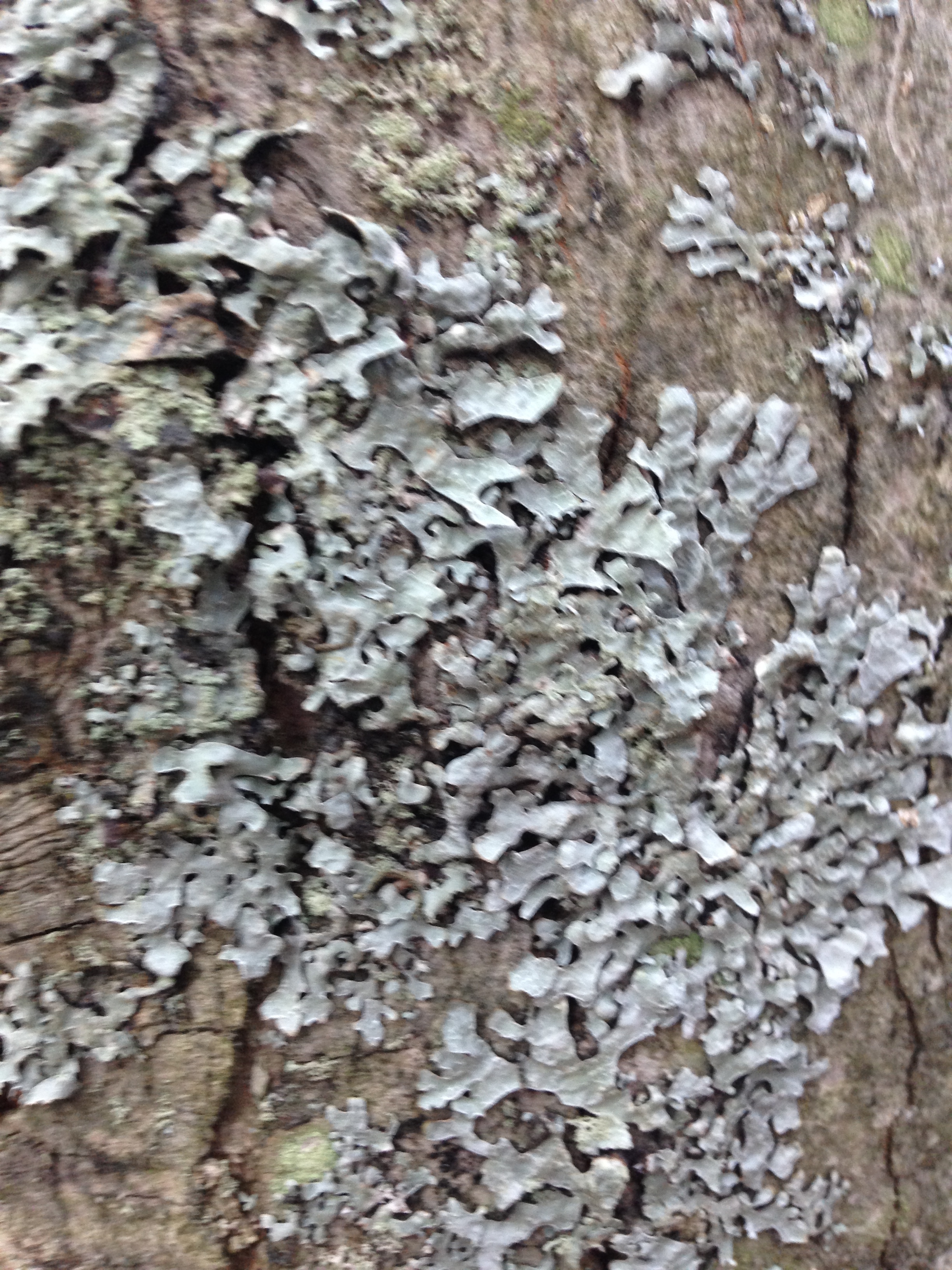
Lichen is a dual organism composed of fungi living in close association with green algae. It appears as a thin crust on bark and rocks and grows extremely slowly. Some grow as slowly as 0.01 mm per year in arctic regions and in more temperate climates it might grow 5 to 8 mm per year. Lichen can live for thousands of years.
At my cottage, up in the Georgian Bay area, lichen appears mostly on the bark of trees. I love photographing it up close.
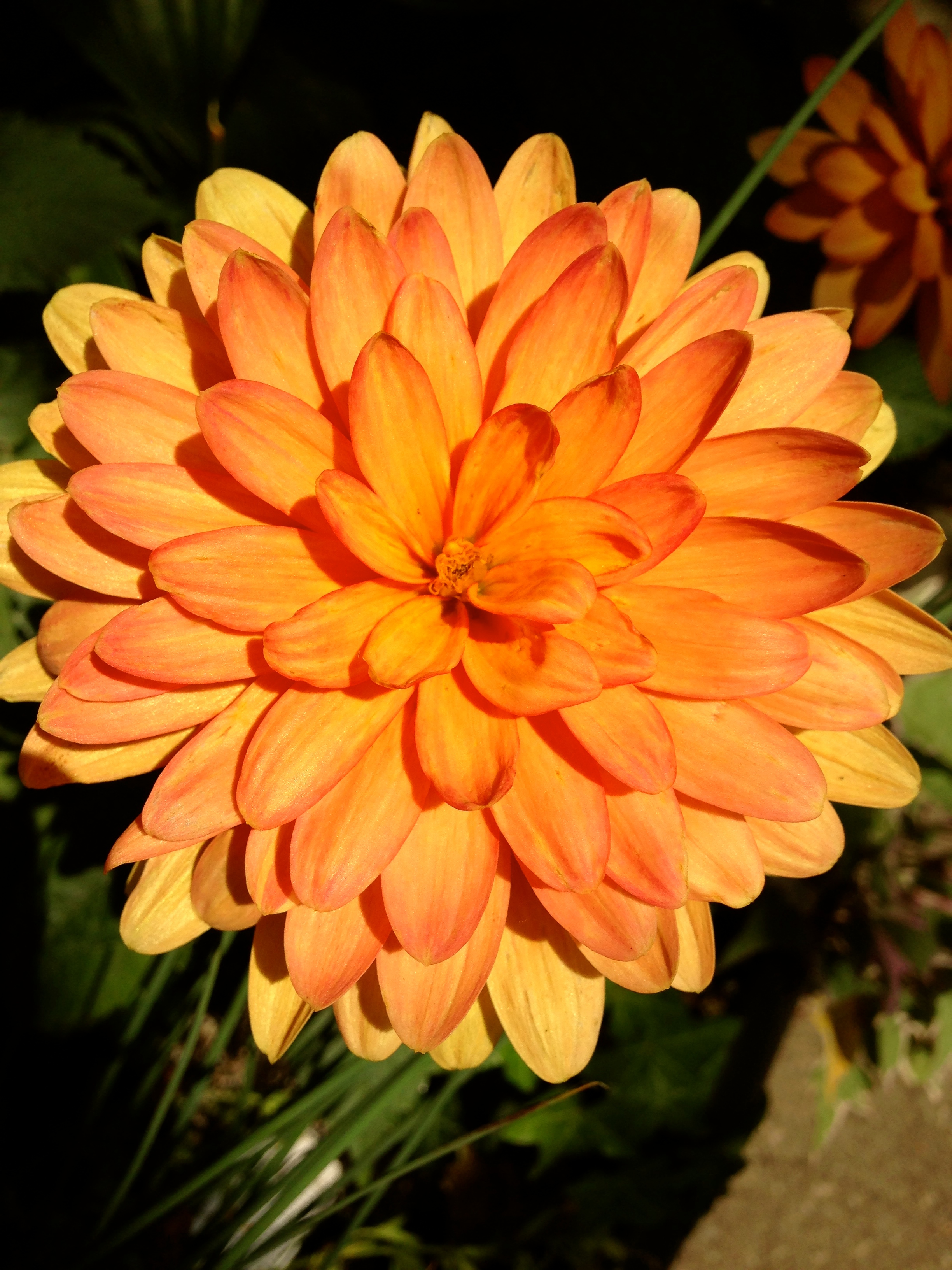
…..this is my first attempt at growing dahlias
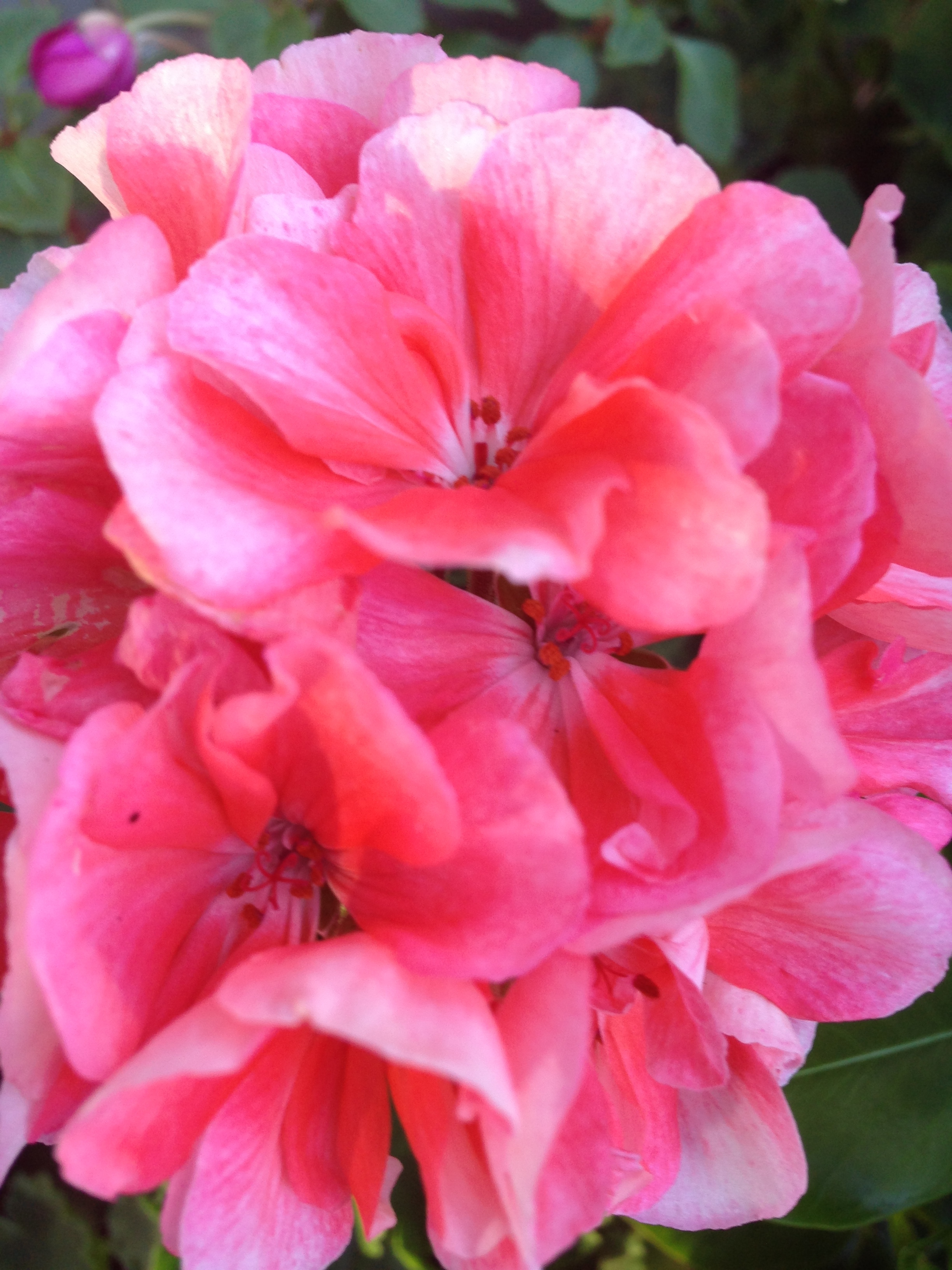
…..from my garden in the city
….I’m a little late with this challenge but I’ve been away….that’s my excuse and I’m sticking to it

This photo is more than 50 years old. It’s a picture of me when I was one year old.
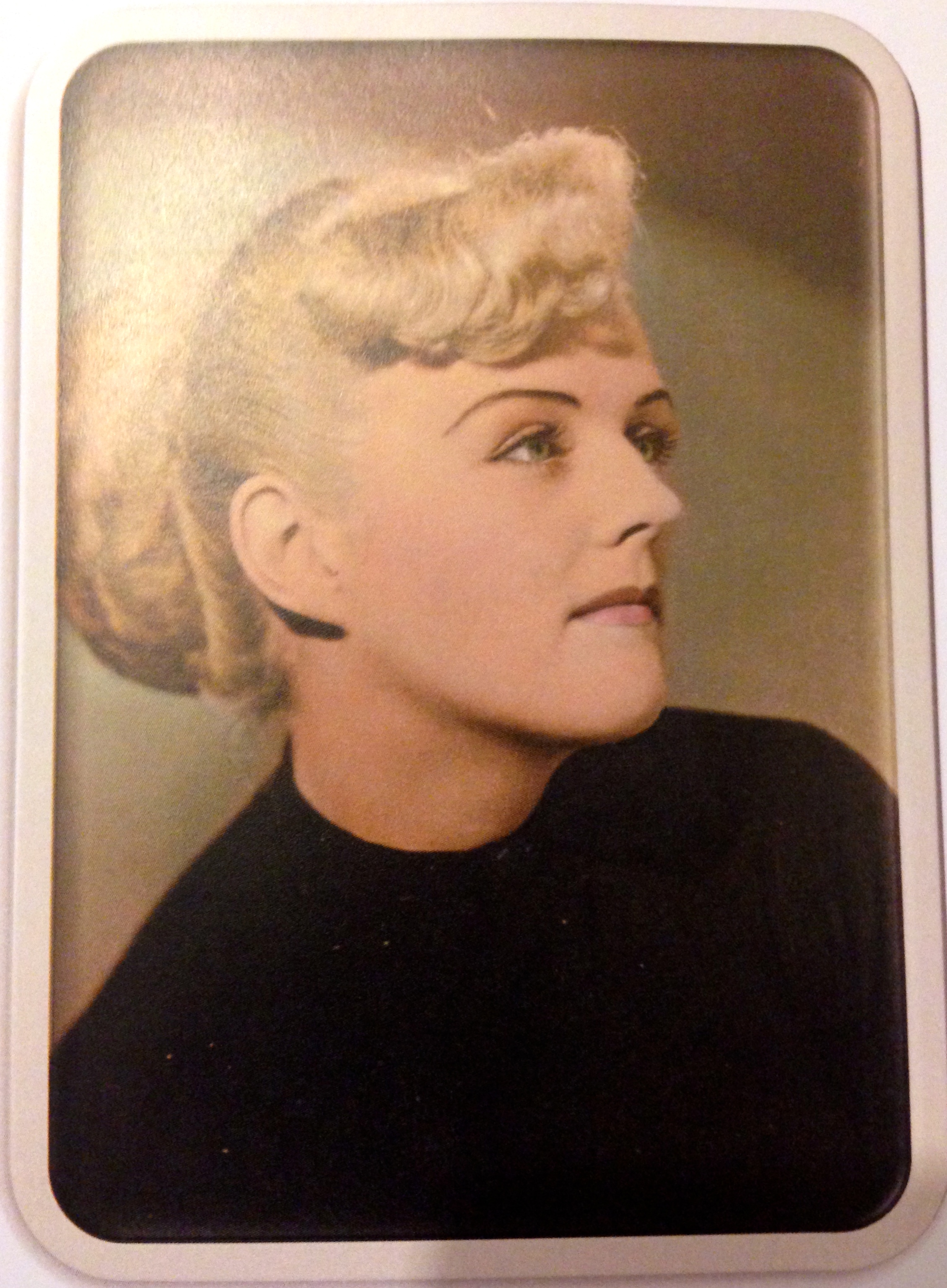
My aunt in her late teens or early 20s. She would have been 89 this year. Miss you!
For more Black and White photos check out Cee’s challenge.
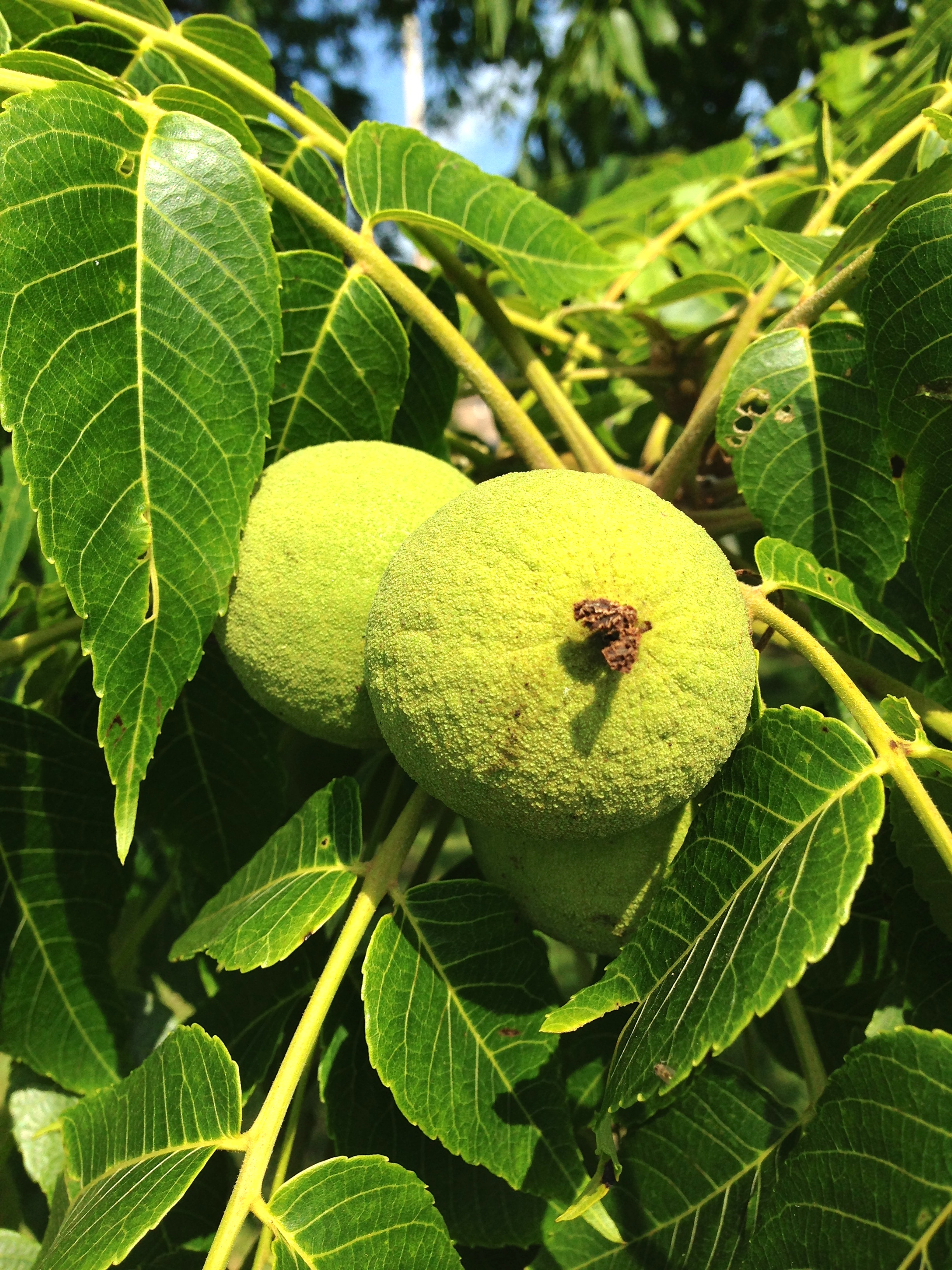
….sometimes vegetables produce beautiful flowers

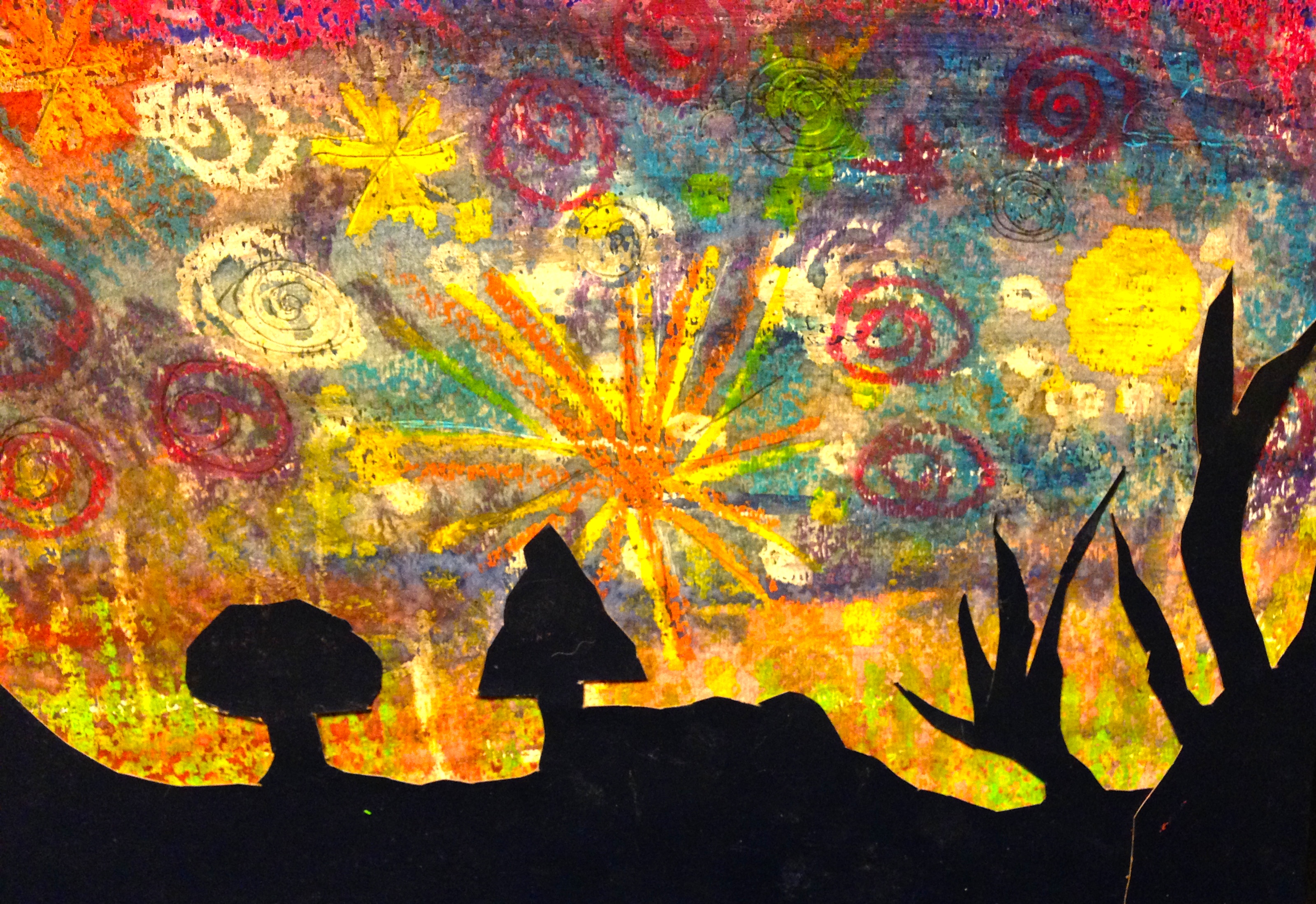
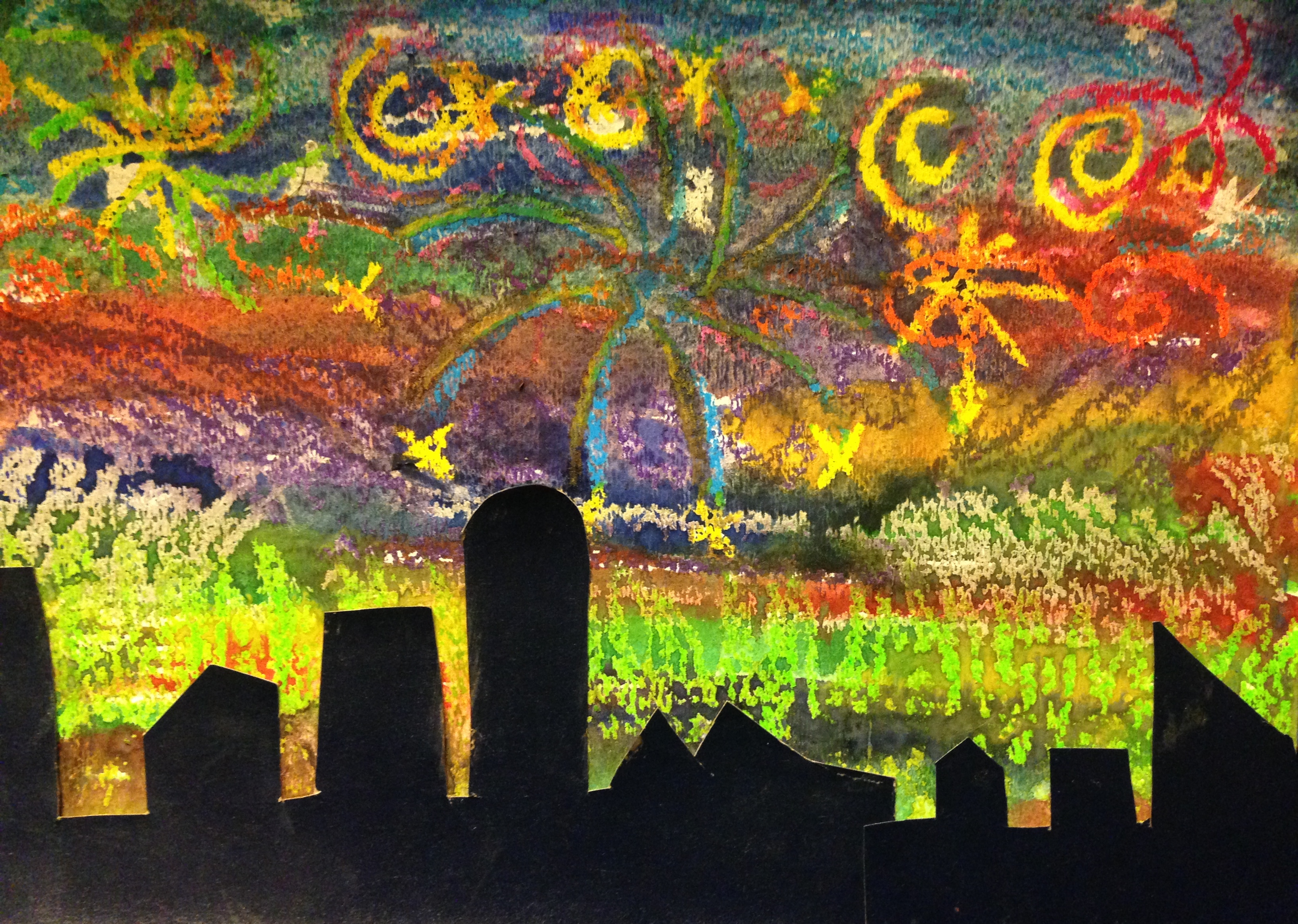
….another great art lesson for kids
Thanks to Carla Sonheim and Diane Culhane from Kids Art Week for this great lesson called Crayon Resist Night Sky.
This would be a great introduction to Vincent Van Gogh and his famous painting Starry Night. I used oil pastels but wax crayons would also work for this project. Students should be encouraged to use lighter colours from the crayon box, especially white. They make the most impact after the water colour is washed over them.
This could also be a lesson on texture so colouring in various directions and pressing quite hard are essential. Swirls and stars will add visual interest and are details seen in Van Gogh’s painting. Be brave and experiment with lots of different colours. Don’t limit yourself to colours that you think are sky colours. Reds, pinks and yellows and even greens make for very interesting night skies. Think of the Northern Lights and have fun.
Once the paper is filled with crayon or oil pastels move on to the water colours. Make them quite watery and start with the darker colours at the top of the page. Again use a variety of colours but avoid black. While the paint is wet you can also add salt to give your painting even more texture.
Using black or a very dark paper cut out silhouette shapes to add to the bottom of your painting. This can be anything you like; forests, hills, mountains, houses, fences and city skylines. When the paint is dry glue the shapes to the bottom of the paper. There you have it, your very own Starry Night painting.