Busy Bees

….I’m loving my macro lens

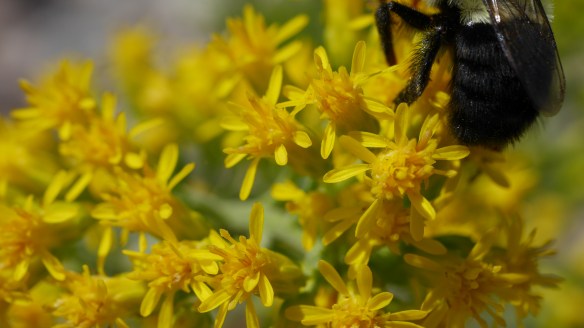
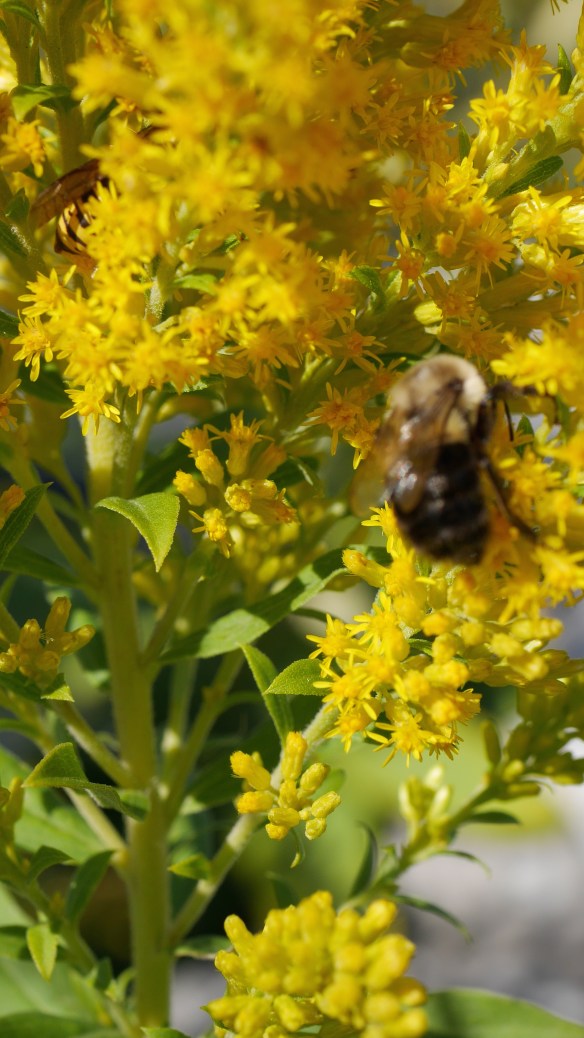
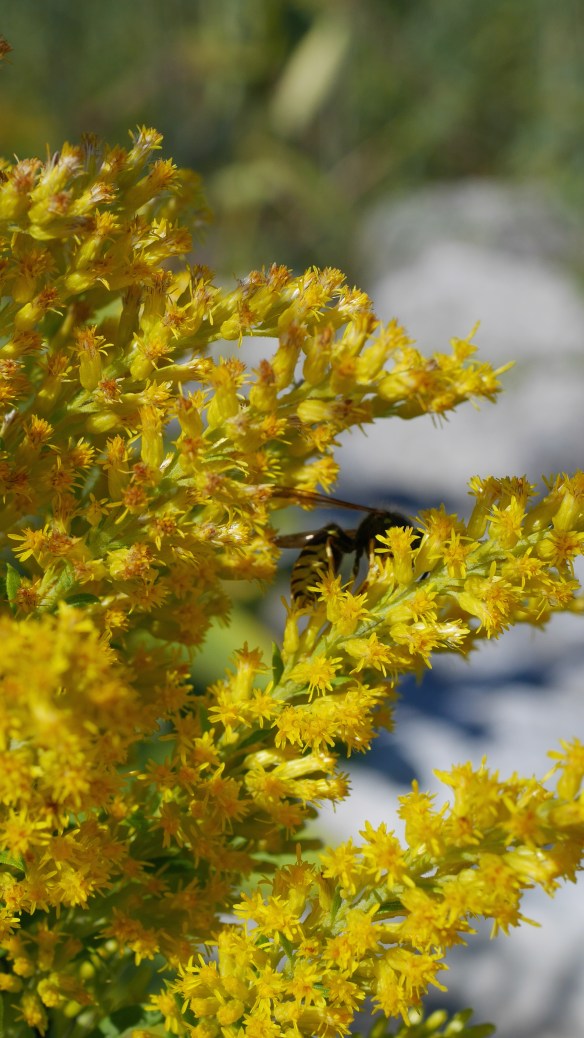
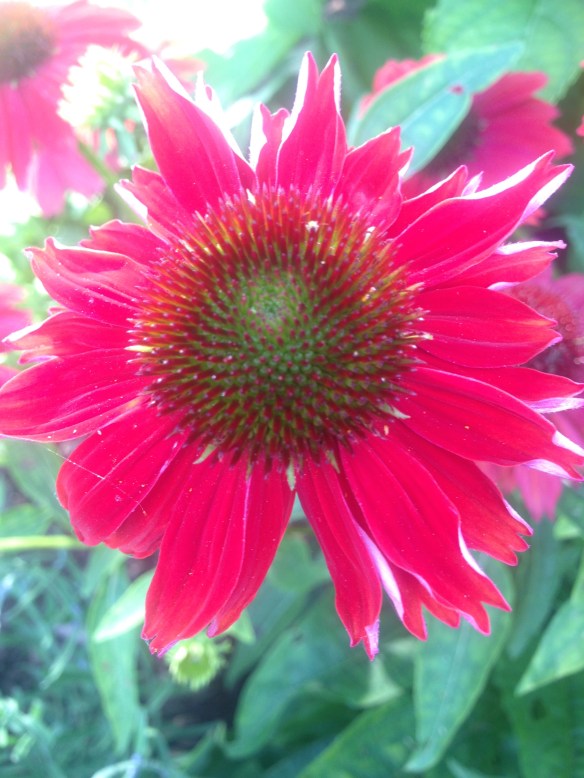
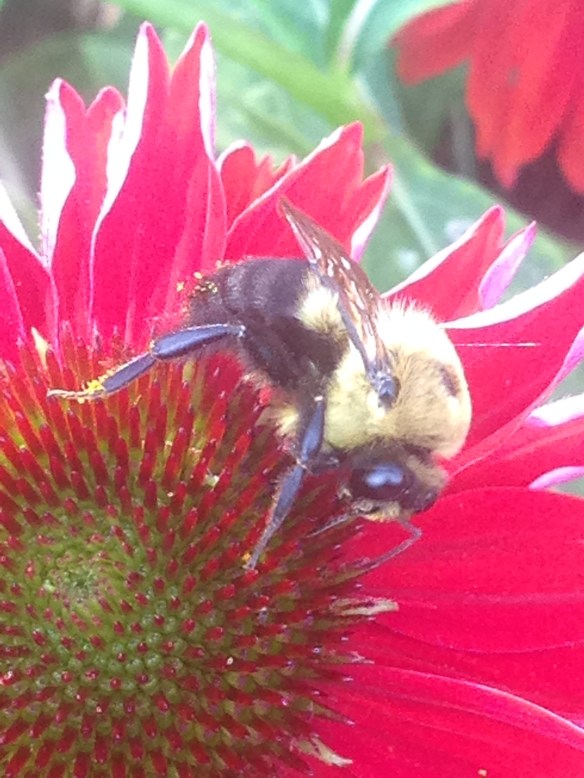
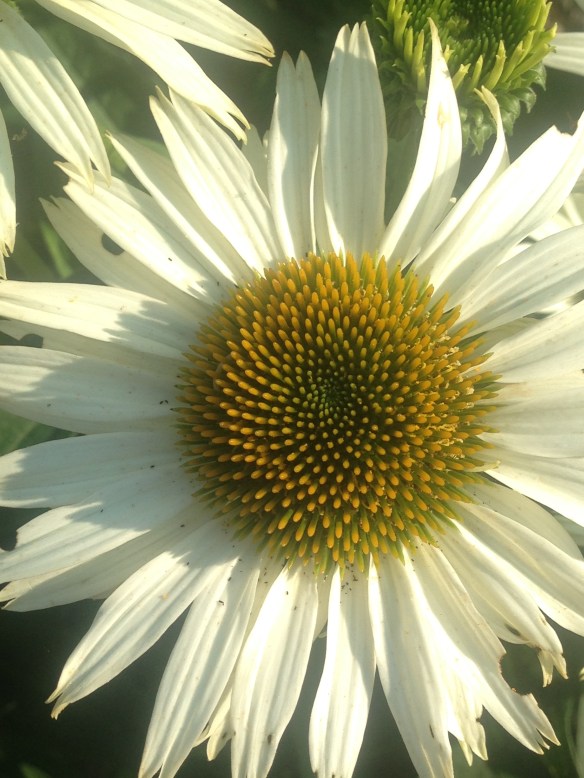
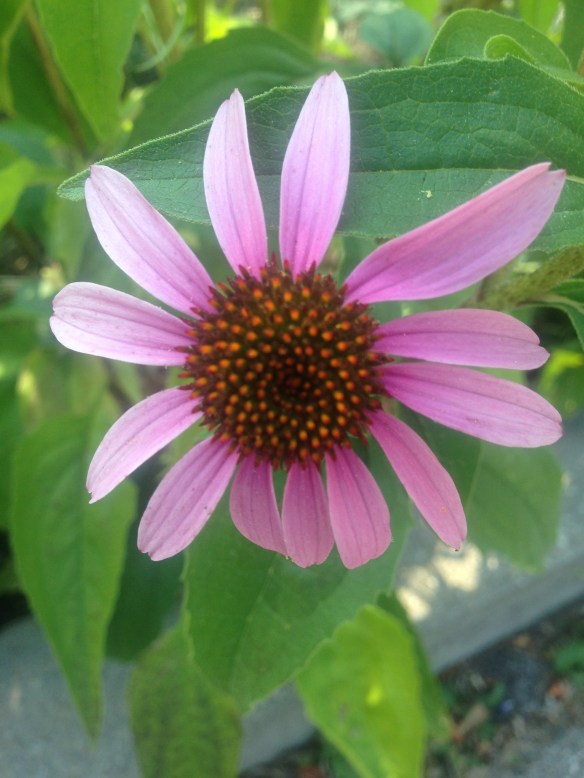
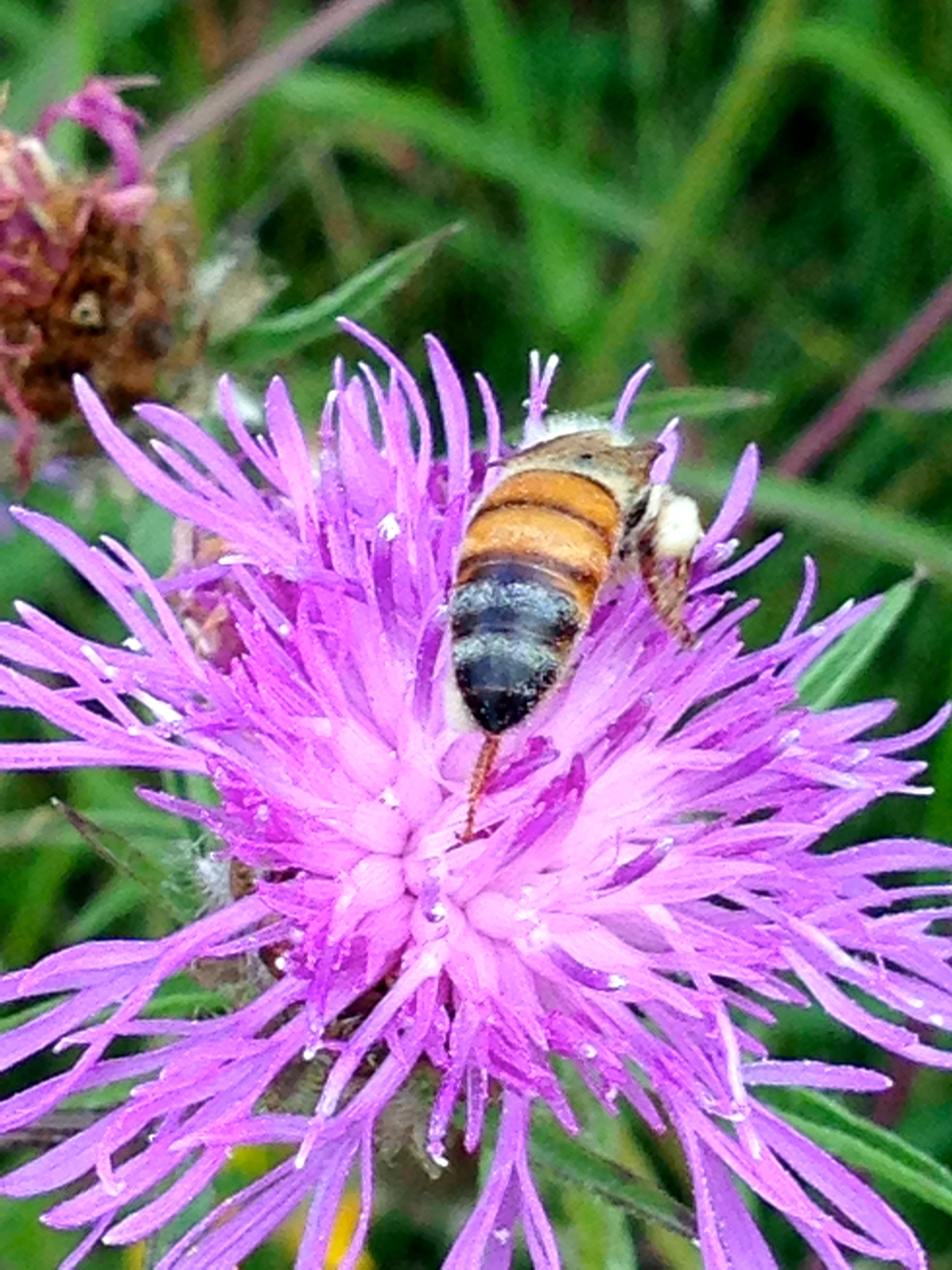
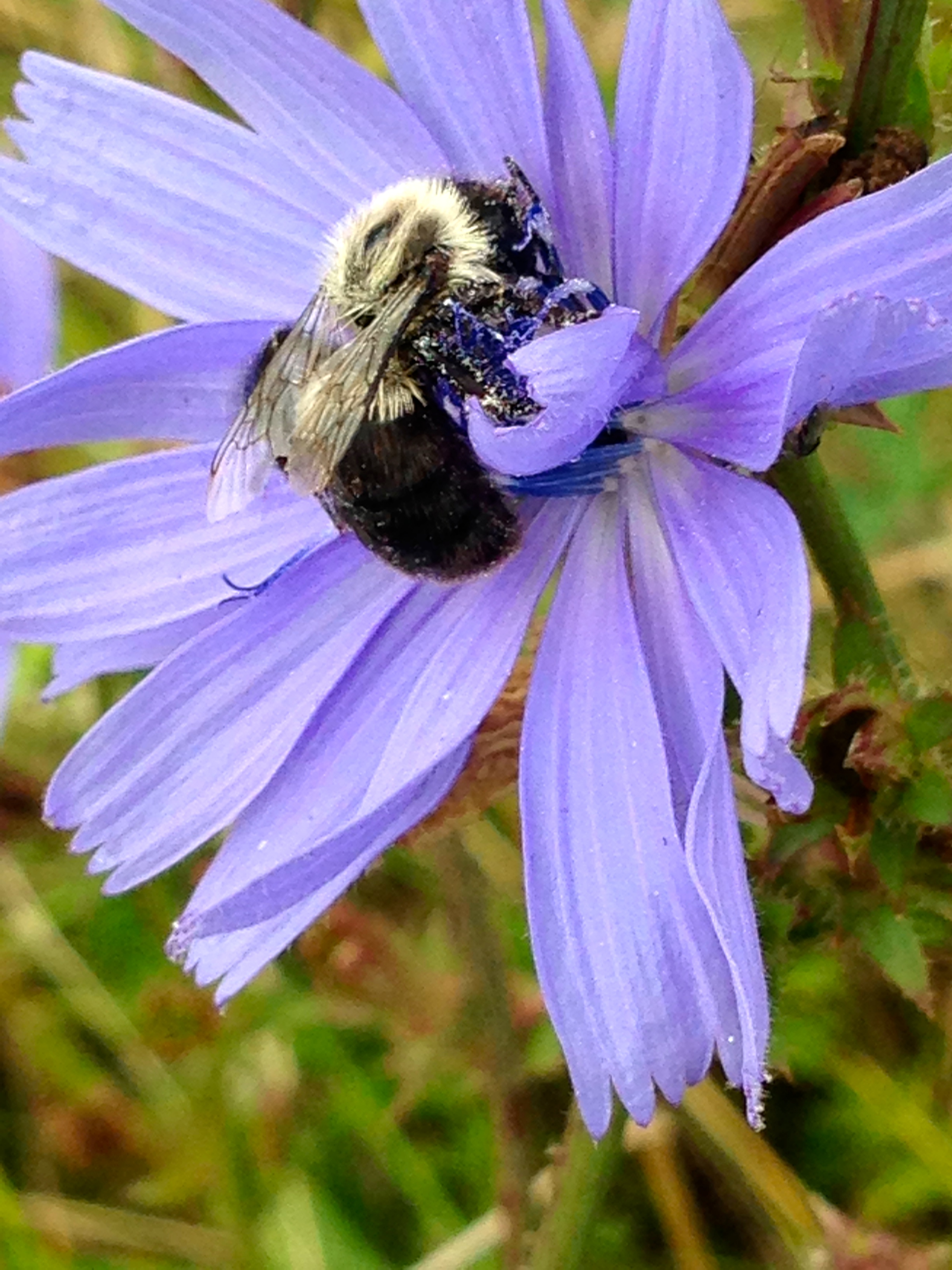
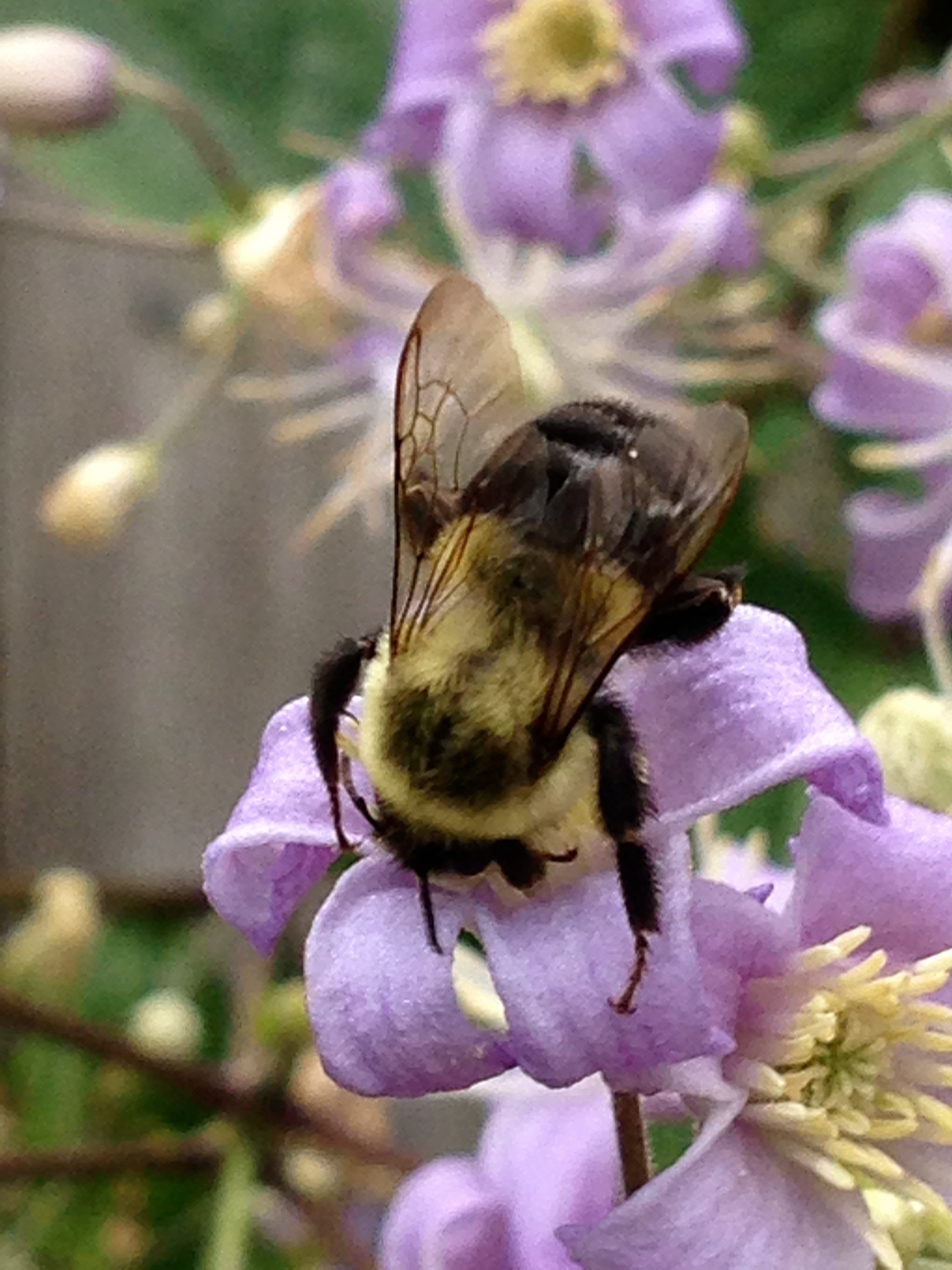
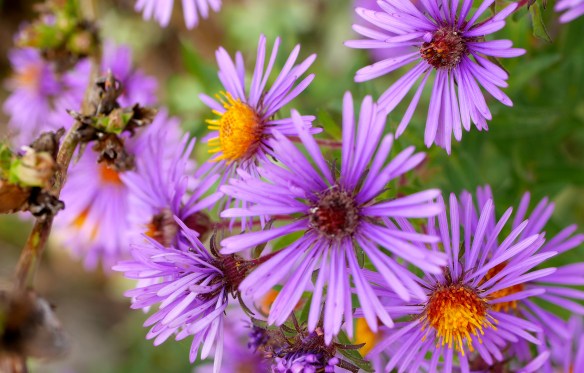
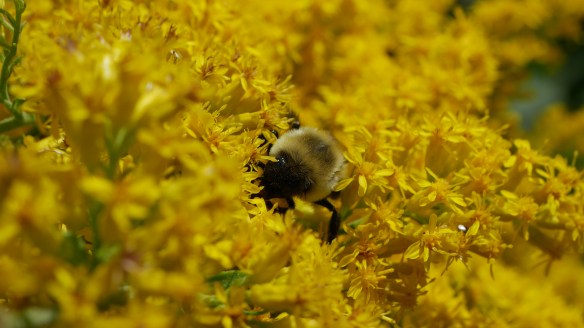
I’m still learning how to use my macro lens and right now I feel like I’m not really in control. It’s very hit or miss when I’m trying to capture the perfect shot. I’m not sure what I’ve done right when I get the shot or what I’m doing wrong when I don’t. Here are a few attempts at trying to capture bees at work.
p1010852p1010853p1010854p1010857

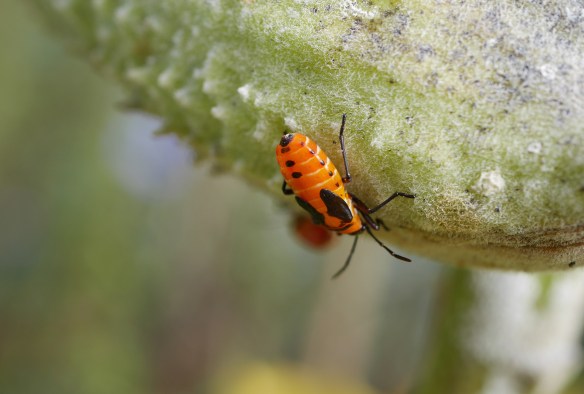
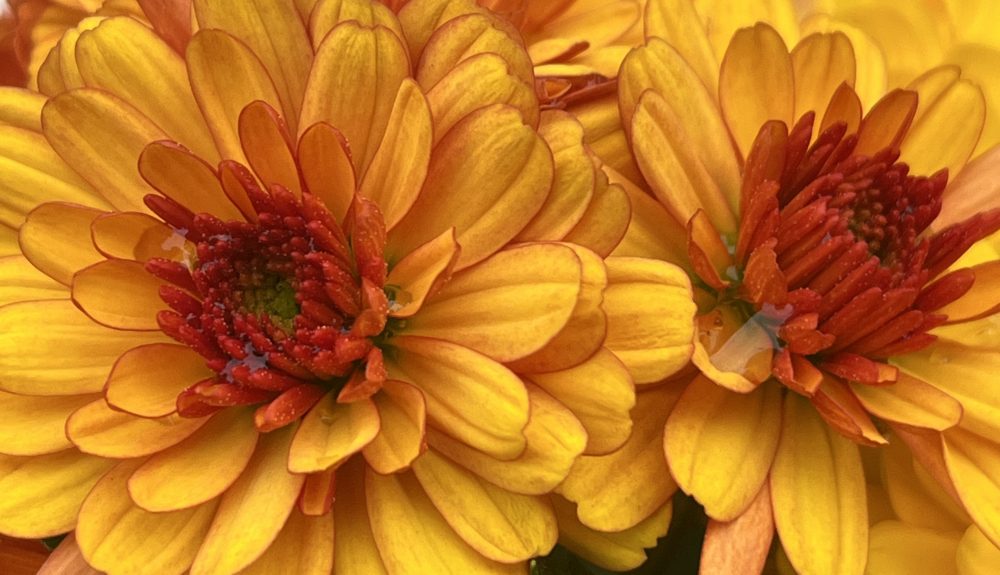
The bottom photo is obviously not a bee but when my lens got close enough to get a clear shot these orange and black milkweed bugs would quickly move to the back of the milkweed pod that they were sitting on.

Can anyone give me suggestions for getting better close-up shots. When I adjust the lens it doesn’t appear to change what I’m seeing through the lens.
The Bees are Back!

….maybe I’m being overly optimistic

I can imagine that if you’re allergic to bee stings you may not be delighted with this statement. Bees, however, are critical to the survival of this planet. Without them our food production could disappear. They pollinate 70 out of 100 species of plants that feed 90% of the world’s population.

Unfortunately the honeybee population is decreasing at an alarming rate, mostly due to the use of pesticides and habitat loss. Longer and colder winters, in some areas, hasn’t help either. So what can we do about it?

At a local level you can advocate for the ban of dangerous pesticides in our parks and our own gardens, encourage city councillors to commit to returning some park lands back to natural states so that wild flowers can thrive and provide a food source for bees and plant flowers in your own garden or flower boxes that attract bees.

On my recent walks and in my own backyard I’ve been seeing an abundance of bees pollinating the wildflowers and my climbing hydrangea. I hope you’re seeing the return of bees in your neighbourhood. We can’t take them for granted.

IMG_5990 IMG_5991 IMG_6012